The story of Unani
Unani, the most ancient alternate form of medicine is founded on the belief of treating a patient "inside out", by restoring the balance between the organ systems, leading to a healthier life.
Good health and natural wellness for all, with care and compassion at an affordable price, are the guiding principles that Hamdard has imbibed and practised since inception. A big step in this direction is "Hamdard Wellness" which is committed to providing selfless healthcare to improve the quality of human life. Here, disease management and wellness services without causing any side effects are provided for every human being through the Unani system of medicine.
The theoretical framework of Unani medicine is based on the work of Hippocrates (460–377 BC). By this method of careful study and comparison of symptoms, he laid down the foundation for clinical medicine based on diet and rest. He advocated that the chief function of a physician is to aid the natural forces of the body in combating a disease.
A number of Greek scholars after Hippocrates such as Galen (131–200 AD) followed by Arab physicians like Rhazes (850–932 AD) and Avicenna (980–1037 AD), enriched the system considerably. Rhazes and Avicenna authored Al-Hawi and Al-Qanun respectively, which were compilations of their observations.

Understanding Unani
Experience and understand the science behind ancient form of medicine through our unique interactive experience
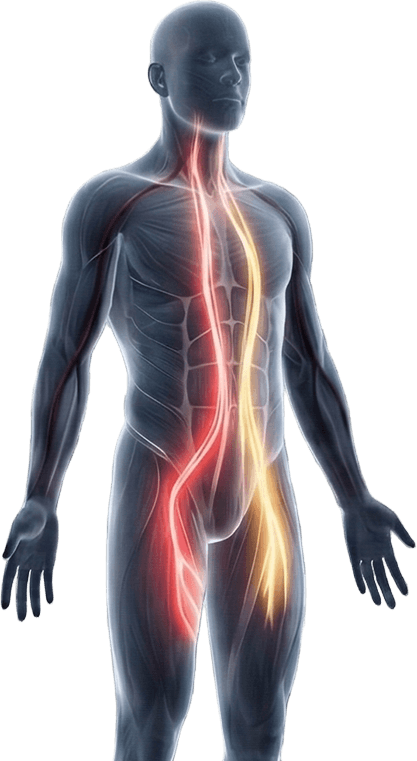
The ancient principles
Unani has lived with the belief of treating a patient "inside out", by restoring the balance between the organ systems, leading to a healthier life.
-

Arkan
Elements
The basic building blocks like earth, water, fire, and air that form the human body.
-

-
Akhlat
Humours
Body fluids such as blood, phlegm, yellow bile, and black bile, whose balance maintains health.
-

-
Arwah
Vital spirit
Vital spirit essential for life.
-

-
A'Faal
Functions
Functions performed by the body's organs.


Mizaj
Temperament
Unani medicine principle that classifies humans and diets into qualitative types.
-

-
A'za
Organs
Organs and tissues categorized by function, such as those for nutrition, reproduction, and sensation.
-

-
Quwa
Powers
Faculties that govern bodily processes.
Click on each area
to understand more
Diagnosis
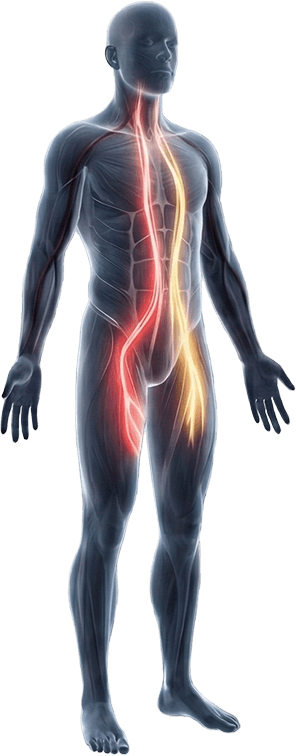
Unani leverages a holistic evaluation to identify ailments through observable signs, habits, and bodily functions.






Physical appearance
The physician looks at how the body appears to understand what's happening inside.
Dietary intake
Eating habits are discussed to see how food may be influencing health.
Symptoms
The patient's complaints help explain how and where the illness is affecting them.
Sleep
Sleep patterns are checked to understand the body’s state of rest and recovery.
Activity Patterns
Daily movement and rest are noted to see how lifestyle impacts health.
Excretions
Natural outputs like urine and stool are reviewed to spot internal imbalances.
Modes of treatment
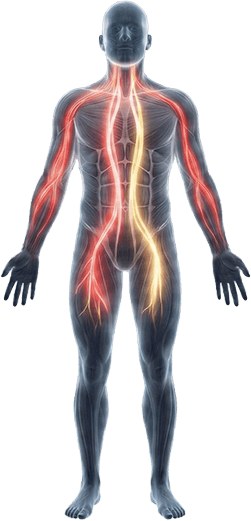
In Unani medicine, treatments are personalized and may include lifestyle regimens, diet changes, herbal medicines, and surgical care depending on the condition.
Regimental Therapy
llaj-bit-tadbeer
-

This method uses physical and lifestyle-based regimens.
-
Pharmacotherapy
llaj-bil-dawa
-

Treatment using herbal, mineral, or natural drugs forms the backbone of medicinal care.

Dieto-therapy
Ilaj bi'l Ghidha
Adjusting specific foods plays a therapeutic role, as diet itself acts as both nourishment and medicine in healing.
-

-
Surgery
llaj-bil-Yad
When necessary, surgical techniques are used in Unani to correct structural issues or treat conditions not manageable by other methods.
Ailments Healed
Hamdard's Unani formulations are used to help manage various conditions.
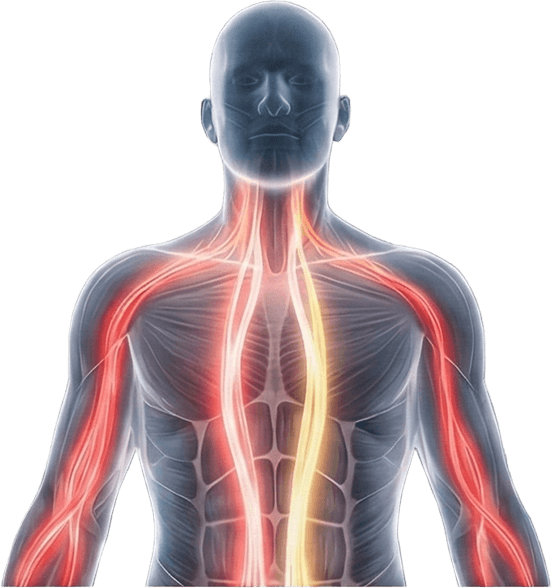
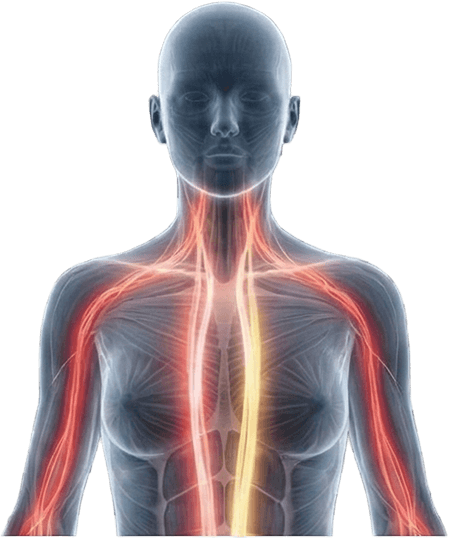 Men's Health Lifestyle diseasesSkin and hairRespiratory health Bone health
 Research in Unani System
Anchoring an ancient system of medicine in rigorous research and scientific inquiry.
Hakim Ajmal Khan conceptualised the idea of research in Unani medicine in the 1920s. However, it was Hakim Abdul Hameed, who, under the Hamdard enterprise, established a modern laboratory and subjected various drugs to laboratory tests, bringing the Unani system of medicine onto modern scientific lines for the first time. He realized that the growth of Hamdard was heavily dependent on constant research into new products and the enhancement of those products already in the market.
Hamdard Laboratories embarked on extensive research, collected widely recognized formulations, standardized them, and organized them systematically. This effort was subsequently published as the Hamdard Pharmacopoeia (Qarabadeen-e-Majeedi). The organization's research strategy and implementation are well-supported by a robust intellectual property team with immense expertise and experience.

Unani System of Medicine: The next wave
Moving beyond traditional remedies, the 'next wave' of Unani medicine blends centuries of ancient
Modern research and methods
Deploying modern research tools and the latest scientific methods to advance the frontiers of natural