High Cholesterol: Causes and How to Lower It Naturally
Did a blood test show high cholesterol even though you feel well? Elevated cholesterol levels usually cause no symptoms. Yet excess “bad” cholesterol can build inside arteries and increase the risk of heart attack or stroke.
This guide answers the questions that matter. What causes high cholesterol? Which foods and habits may help? When is medicine needed? Read through to know it all.
What Causes High Cholesterol?
(@clevelandclinic/YouTube)
High cholesterol rarely comes from one food or one habit. Diet, activity, weight, age, family history, health conditions, and medicines can all affect your result.
Food and daily habits
Foods high in saturated fat can raise LDL, often called “bad” cholesterol. Common sources include fatty meat, processed meat, butter, ghee, cream, bakery products, and foods made with palm oil.
Low activity, smoking, excess body fat, and heavy alcohol use may also worsen cholesterol or triglycerides.
Family history and age
Some people inherit genes that make it harder for the liver to remove LDL from the blood. Familial hypercholesterolaemia can cause very high cholesterol from a young age.
Cholesterol may rise with age and after menopause.
Health conditions and medicines
Diabetes, an underactive thyroid, kidney disease, obesity, PCOS, and sleep apnoea may affect cholesterol.
Some steroids, acne medicines, heart medicines, and other drugs can also change cholesterol levels. The NHLBI guide to cholesterol causes explains how lifestyle, inherited factors, health conditions, and medicines can contribute.
Never stop a prescribed medicine on your own. Ask the clinician who prescribed it to review your results.
How to Lower Cholesterol Naturally: 7 Practical Steps
Lifestyle changes may improve LDL, triglycerides, blood pressure, and heart risk. The size of the improvement differs from person to person.
1. Move more each week
Choose brisk walking, cycling, swimming, or dancing.
Start slowly if you have been inactive. Build towards regular movement. Add strength exercises when suitable.
2. Work towards a healthy weight
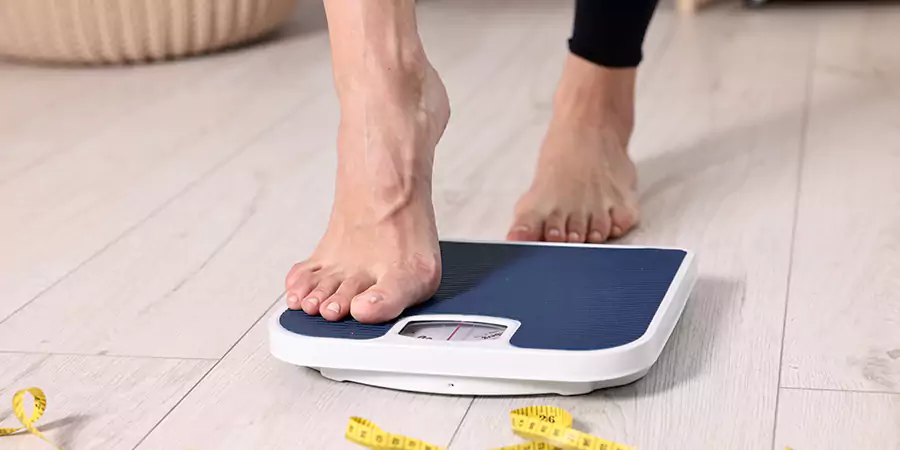
If you have excess weight, gradual loss may improve triglycerides and other heart risks.
Avoid crash diets. Choose smaller portions and repeatable habits.
3. Stop smoking
Smoking damages blood vessels and may lower HDL, often called “good” cholesterol.
Ask for counselling or proven stop-smoking support if quitting feels difficult.
4. Limit alcohol
Too much alcohol can raise triglycerides and add extra calories.
Alcohol is not a cholesterol treatment. People who do not drink need not start.
5. Protect sleep
Poor sleep can make healthy eating and regular activity harder.
Keep a steady sleep schedule. Seek help if loud snoring, breathing pauses, or daytime sleepiness continue.
6. Manage stress

Stress may affect eating, sleep, smoking, and alcohol use.
Walking, slow breathing, recreation, and counseling may help.
7. Track your progress
Follow the testing schedule given by your healthcare team.
Look at changes over time. Do not judge progress from one meal, one week, or one isolated result.
Foods to Lower Cholesterol
No single food can flush cholesterol from the body. The best approach is a balanced eating pattern you can maintain.
Add soluble fibre
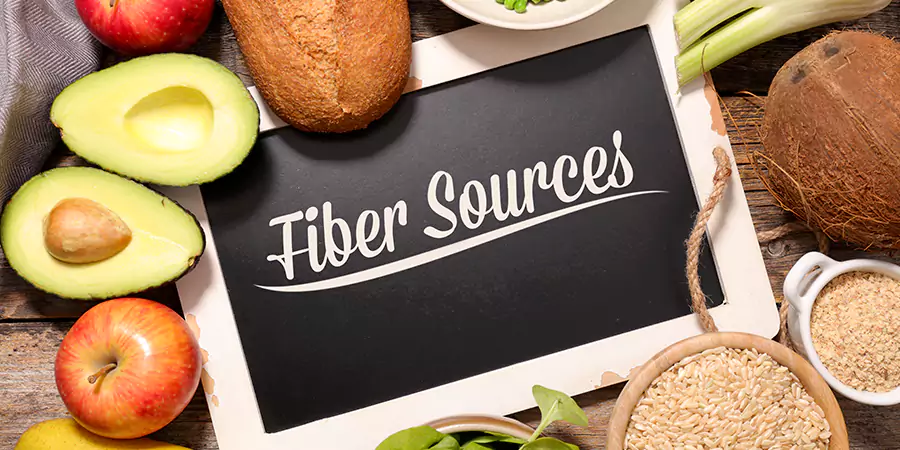
Soluble fibre may help reduce cholesterol absorption.
Choose more:
- Oats and barley
- Beans, lentils, and chickpeas
- Apples, pears, and citrus fruits
- Okra, brinjal, and other vegetables
- Psyllium husk, when suitable
Increase fibre slowly and drink enough water. Seek advice before using supplements if you have swallowing problems, bowel disease, or fluid restrictions.
Replace saturated fats
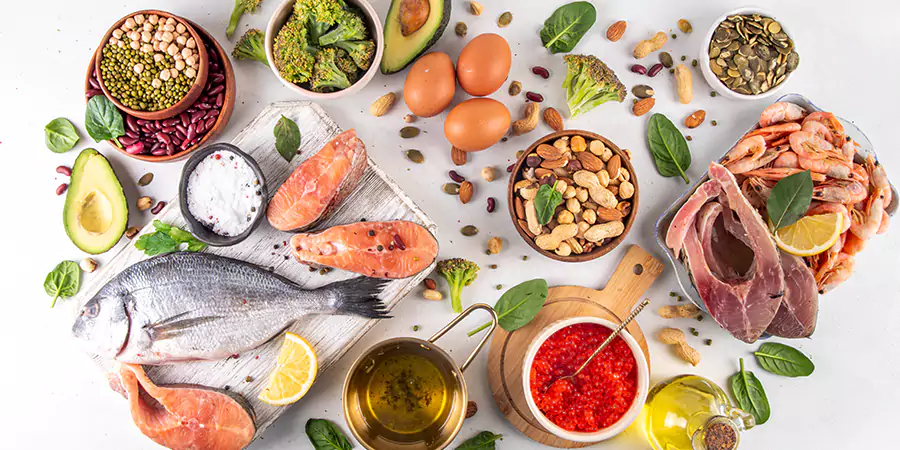
You do not need to remove all fat.
Replace some butter, ghee, fatty meat, and deep-fried food with:
- Nuts and seeds
- Groundnuts
- Fish
- Avocado
- Suitable vegetable oils
Keep portions moderate because oils and nuts are energy-dense.
Build balanced, minimally processed meals
Use this simple comparison when planning meals:
| Choose more often | Limit more often |
| Vegetables, oats, and whole grains | Pastries and refined grains |
| Dal, beans, fish, eggs, or tofu | Processed or fatty meats |
| Whole fruit and plain yoghurt | Sugary drinks and desserts |
| Nuts, seeds, and suitable oils | Deep-fried snacks and excess ghee |
Build meals you can repeat. The CDC guidance on preventing high cholesterol supports fibre-rich foods, unsaturated fats, regular activity, weight management, and avoiding smoking.
Testing, Medicines, and When to See a Doctor
A lipid profile usually measures total cholesterol, LDL, HDL, and triglycerides. The CDC cholesterol overview explains these numbers.
Your doctor may also review blood pressure, blood sugar, kidney health, smoking, family history, and existing heart disease. The same LDL result can require different plans.
When medicine may be needed
Medicine may be recommended when:
- LDL is very high
- An inherited condition is suspected
- Heart or blood-vessel disease is present
- Diabetes or kidney disease raises risk
- Lifestyle changes are not enough
Statins commonly lower LDL and cardiovascular risk. Other medicines may be used when statins are unsuitable or insufficient.
Do not stop or reduce prescribed treatment to try a supplement or traditional product.
Hamdard Lipotab is a proprietary Unani tablet. It supports maintaining healthy cholesterol and triglyceride levels alongside a balanced diet and lifestyle.
It should be treated as complementary support, not as a replacement for statins or other prescribed medicines. A qualified Unani practitioner can review whether it suits your history. You can seek guidance through your nearby Hamdard Wellness Centre.
When to seek urgent help
Get urgent medical care for chest pain, sudden breathlessness, facial drooping, one-sided weakness, or difficulty speaking.
These are not symptoms of cholesterol itself. They may signal a heart attack or stroke.
Frequently Asked Questions About High Cholesterol
Does high cholesterol cause symptoms?
Usually not. Most people discover it through a blood test.
Feeling well does not confirm that your cholesterol is within a healthy range.
Can I lower cholesterol without medicine?
Some people improve their results through food, activity, weight management, and stopping smoking.
Others need medicine because of genetics, very high LDL, or a higher risk of heart attack and stroke.
How quickly can cholesterol improve?
Your clinician may repeat testing after lifestyle or medicine changes.
The timing depends on your starting level, habits, health conditions, and treatment. Follow the retesting plan given by your clinician.
Are eggs bad for high cholesterol?
Eggs can fit into many balanced diets.
For most people, saturated fat across the whole diet matters more than one food. Personal advice may differ when heart risk is high.
What drink lowers cholesterol naturally?
No drink reliably lowers cholesterol or cleans the arteries.
Water and unsweetened drinks can replace sugary beverages. Avoid detox drinks that promise rapid results.
Conclusion
High cholesterol can be linked to food, inactivity, smoking, weight, age, health conditions, medicines, or inherited genes. Focus on repeatable habits. Eat more fibre, choose healthier fats, move regularly, stop smoking, and attend follow-up tests.
For personalised support, discuss your full cholesterol report and heart risk with a qualified clinician. You may read about Hamdard’s Unani approach and its research and quality practices.
Medical disclaimer: This article is for general educational purposes only. It does not replace professional medical advice, diagnosis, or treatment