Unani Medicine for Women’s Health Across Life Stages
Why does a routine that once supported your health stop feeling right after pregnancy, during perimenopause, or as you grow older? Changes in periods, fertility, sleep, stress, hormones, nutrition, and aging can alter what your body needs.
Unani medicine for women’s health considers these changes alongside diet, rest, activity, digestion, emotional wellbeing, routine, and temperament. This guide follows women’s health needs from adolescence to later life, explains personalised Unani care, and highlights when medical assessment should come first.
How Women’s Health Needs Change Across Life Stages
Women’s health is not limited to periods, fertility, or pregnancy. Needs can change at every stage. The World Health Organization also supports a life-course approach to women’s health.
A Simple Life-Stage Timeline
Adolescence
↓
Menstrual and reproductive years
↓
Pregnancy and postpartum
↓
Perimenopause
↓
Later life
Each stage brings different priorities. Unani consultations may consider sleep, appetite, digestion, activity, stress, and temperament.

Adolescence
Main needs may include:
- Menstrual education
- Balanced nutrition
- Sleep and emotional support
- Healthy body image
- Respectful, confidential care
Some cycle variation is common after periods begin. Unani care may discuss menstrual patterns alongside diet, sleep, and emotional wellbeing. Very heavy bleeding, severe pain, faintness, or long gaps between periods need assessment.
Menstrual and Reproductive Years
Priorities may include:
- Period comfort and regularity
- Sexual health
- Contraception
- Fertility questions
- Stress and energy levels
A personalized Unani consultation may review menstrual history, routine, digestion, sleep, and stress before suggesting lifestyle support. Persistent pain, irregular bleeding, or difficulty conceiving should not be managed only with home remedies. Fertility concerns should involve both partners.
Pregnancy and Postpartum
Pregnancy and breastfeeding need extra caution. “Natural” products are not automatically safe.
Before using any formulation, check:
- Full ingredients
- Correct dose
- Pregnancy or breastfeeding warnings
- Possible medicine interactions
Antenatal care, scans, supplements, and prescribed treatment must continue as advised.
Unani lifestyle advice should complement, not replace, antenatal care, scans, supplements, postpartum assessment, or prescribed treatment.
Perimenopause
Periods may become less predictable. Sleep, mood, hot flushes, and vaginal comfort may also change.
Unani care may consider these symptoms alongside diet, activity, digestion, stress, and temperament. Medical review is important when symptoms are severe or disrupt daily life.
Later Life
Health priorities become wider. Bone strength, heart health, diabetes risk, mobility, memory, and emotional wellbeing matter.
Traditional lifestyle support may complement care. It should not replace screening or treatment.
How Unani Medicine for Women’s Health Works
Unani medicine is a traditional healthcare system. It looks at the whole person, not only one symptom.
A key idea is Mizaj. This means a person’s natural temperament or body type.
Unani care also considers six daily foundations:
- Air and surroundings
- Food and drink
- Movement and rest
- Mental activity and relaxation
- Sleep and wakefulness
- Healthy removal of body waste
These ideas can organise a wellness discussion. They are not modern medical diagnoses. A traditional explanation should never replace a pregnancy test, blood test, scan, or specialist assessment.
Hamdard’s introduction to Unani medicine explains the system’s history, principles, and treatment modes.
Daily Foundations of Holistic Women’s Health
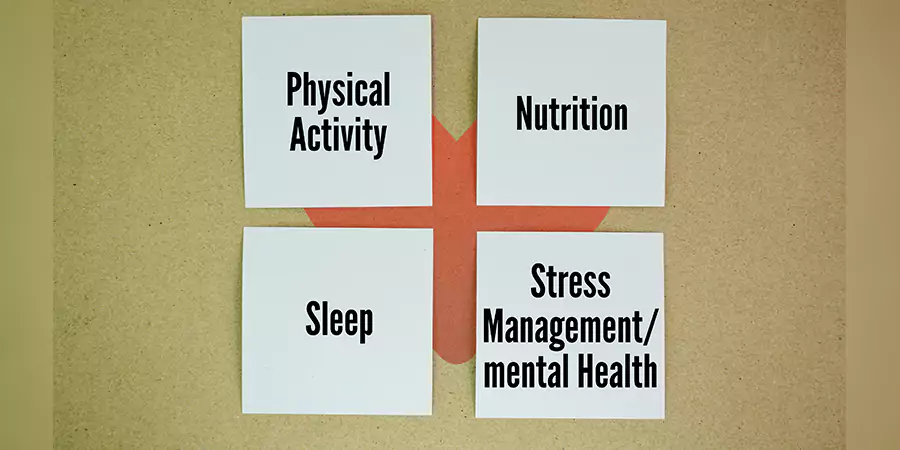
Many Unani lifestyle principles overlap with familiar healthy habits.
Eat Regular, Balanced Meals

Choose a varied diet with:
- Vegetables and whole fruits
- Pulses and whole grains
- Suitable protein sources
- Nuts, seeds, and healthy fats
Iron, calcium, vitamin D, vitamin B12, folate, and protein may need extra attention at certain stages.
Heavy periods, pregnancy, restrictive diets, and menopause can change nutritional needs. Do not use harsh detox plans for fatigue, period problems, or menopause symptoms.
Persistent weakness, hair loss, or faintness may need tests.
Protect Sleep and Movement
Regular movement supports bones, heart health, mood, and blood sugar control.
Choose an activity that suits your age, pregnancy status, mobility, and health. Walking, stretching, and suitable strength work are practical options.
Keep a regular sleep routine. Seek care if pain, hot flushes, anxiety, or breathing problems often disturb sleep.
Support Mental Wellbeing
Stress can affect sleep, appetite, periods, and daily functioning.
Breathing exercises, recreation, social support, and counselling may help. Persistent anxiety, depression, trauma symptoms, or thoughts of self-harm need professional care.
Preventive care also matters. Follow advice for vaccinations, blood pressure checks, diabetes screening, cervical screening, breast care, and bone assessment.
How Unani Treatment for Women Is Personalised
Unani treatment for women should begin with a proper consultation, not immediate product selection.
A practitioner may ask about:
- The main concern
- Menstrual and pregnancy history
- Sleep and stress
- Appetite and digestion
- Medicines and supplements
- Previous tests or diagnoses
A plan may include diet guidance, routine changes, supervised therapies, or Unani formulations.
The ingredients, dose, duration, and expected result should be clear. The practitioner should also explain when follow-up or referral is needed.
Two women with similar symptoms may receive different advice. That does not remove the need for diagnosis.
Hamdard’s Female Health and Wellbeing range can help readers review product information. It should not be used for self-diagnosis.
(@Boldsky, Youtube)
Safety, Evidence, and When Medical Care Matters
Traditional use does not prove that every product is safe or effective for every woman.
Before using a formulation:
- Read the full ingredient list
- Check the dose and expiry date
- Use a licensed, reputable product
- Share your medicine list with your doctor
- Avoid combining several products for one concern
- Stop and seek help after an unexpected reaction
The NCCIH safety guidance warns that supplements may interact with medicines or contain unwanted substances.
Extra care is needed during pregnancy, breastfeeding, fertility treatment, surgery, and long-term illness.
Hamdard’s research and quality overview explains how the company describes product development and testing.
Symptoms That Need Medical Assessment (H3)
Seek medical advice for:
- Very heavy or prolonged bleeding
- Bleeding between periods
- Severe menstrual or pelvic pain
- A missed period when pregnancy is possible
- A new breast or underarm lump
- Unexplained weight loss or faintness
- Menopause symptoms that disrupt life
- Difficulty conceiving
Seek urgent care for severe pain, heavy bleeding with weakness, fainting, chest pain, breathing difficulty, sudden weakness, or possible pregnancy complications.
Frequently Asked Questions About Unani Women’s Wellness
Can Unani Medicine Help With Irregular Periods?
A practitioner may suggest diet, routine changes, or a traditional formulation after assessment.
Irregular periods have many causes. Persistent changes, heavy bleeding, or pain need medical evaluation.
Is Unani Treatment Safe During Pregnancy?
Not automatically. Some ingredients may be unsuitable. Safety information may also be limited.
Use no formulation during pregnancy or breastfeeding without professional review.
Is Unani Medicine Only for Reproductive Concerns?
No. Women may seek support for sleep, digestion, stress, energy, healthy aging, and daily wellbeing.
Medical referral is still necessary when symptoms need diagnosis or specialist care.
Can Unani Medicine Be Taken With Modern Medicines?
Sometimes, but interactions are possible.
Show every medicine and supplement to both practitioners. Never stop prescribed treatment without medical advice.
How Do I Choose a Qualified Unani Practitioner?
Check recognised qualifications and valid registration.
Choose someone who takes a full history, explains ingredients and limits, and refers you when needed.
Conclusion
Unani medicine for women’s health offers a traditional, personalised approach across changing life stages. It may support diet, rest, activity, and daily wellbeing. It should always sit alongside timely screening, diagnosis, and necessary treatment.
For individual guidance, consult a qualified practitioner. You may also explore Hamdard’s women’s wellness resources or find a Hamdard Wellness Centre near you.
Medical disclaimer: This article is for general educational purposes only. It is not a substitute for professional medical advice, diagnosis, or treatment.