Home Remedies for Pimples: Safe Ways to Calm Acne
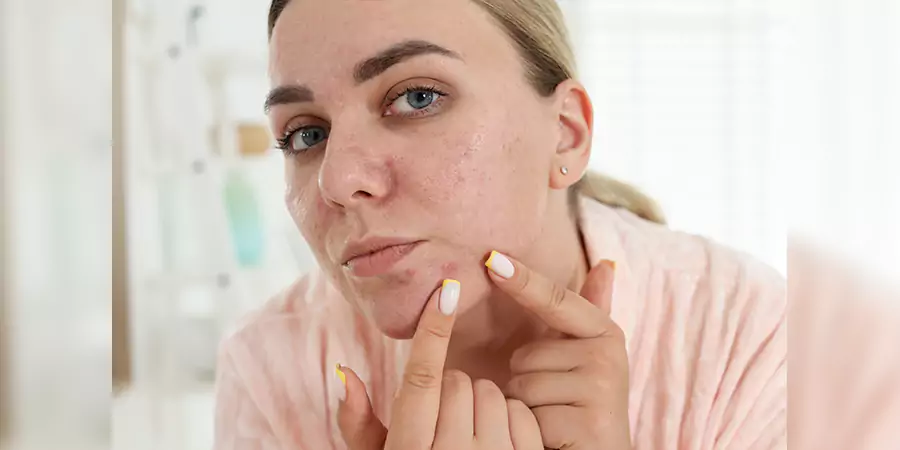
Did a pimple appear before a big day, tempting you to squeeze it or reach for toothpaste? That shortcut can irritate the skin and leave a darker mark.
Acne develops when oil and dead skin cells block pores, creating whiteheads, blackheads, red bumps, or pus-filled pimples.
The following safest home remedies for pimples are simple. They can calm mild breakouts, however, cannot act as a replacement treatment for persistent or painful acne.
Home Remedies for Pimples That Are Safe to Try
1. Wash gently twice a day
Cleanse your face in the morning, at night, and after heavy sweating. Use lukewarm water and a mild, non-abrasive cleanser.
Apply it with clean fingertips. Scrubs, brushes, and rough towels can damage the skin barrier and make redness worse.
The American Academy of Dermatology recommends gentle washing up to twice daily and after sweating. It also advises avoiding harsh toners, astringents, and exfoliants.
2. Use a warm compress for a deep pimple
(@vpofglow/Youtube)
For a deep, tender pimple, soak a clean washcloth in comfortably warm water. Hold it against the area for 10 to 15 minutes.
Repeat up to three times daily with a fresh cloth. A warm compress may help the spot move closer to the surface and heal.
Do not use very hot water. Heat that feels painful can burn or inflame the skin.
3. Choose one proven acne ingredient
Acne treatment at home works better when you use one suitable active ingredient consistently instead of layering many remedies.
Salicylic acid can help unclog pores. Benzoyl peroxide may help mild inflamed pimples. Adapalene can treat blackheads, whiteheads, and pimples, while azelaic acid may also help post-acne marks.
Start slowly and follow the label. Stop if severe burning, swelling, or a rash develops. Ask a pharmacist or dermatologist what suits your skin, especially during pregnancy.
4. Moisturise acne-prone skin
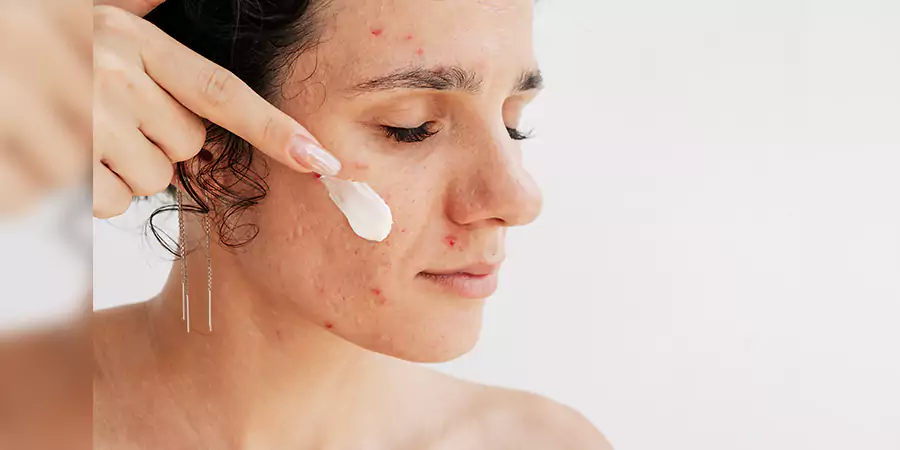
Dry, irritated skin may cause discomfort and make treatment harder to continue. Use a light moisturiser labelled “non-comedogenic,” “oil-free,” or “won’t clog pores.”
Apply it after treatment. A suitable formula can support the skin barrier without feeling heavy.
5. Protect your skin from sunlight

Use a broad-spectrum, water-resistant sunscreen with SPF 30 or higher. Choose a non-comedogenic formula.
Sun exposure can deepen the dark marks that remain after pimples heal. Some acne treatments can also make skin more sensitive to sunlight.
6. Keep your hands away
(@InsiderScience/YouTube)
Do not squeeze, scratch, or repeatedly touch pimples. Picking pushes inflammation deeper and raises the risk of infection, scarring, and dark spots.
A hydrocolloid patch can cover a surface-level pimple and reduce touching. It cannot treat every type of acne, especially deep cysts.
What to Use and What to Avoid
| Safer option |
|
Why |
| Gentle cleanser | Harsh scrubs | Scrubbing increases irritation |
| Warm compress | Squeezing pimples | Picking raises scar risk |
| Non-comedogenic moisturiser | Heavy pore-clogging products | Suitable products reduce blockage |
| SPF 30 sunscreen | Unprotected sun exposure | Sun can darken acne marks |
| Labelled acne treatment | Toothpaste, lemon, or baking soda | These remedies may burn or irritate the skin |
(@SHOWSHAIndia/YouTube)
A Simple Pimple-Care Flowchart
After you notice a new pimple
- Wash gently
- Check whether it is deep and painful
- Use a warm compress if needed
- Apply one suitable acne treatment
- Moisturise and use sunscreen
- Avoid touching for several days
- Seek advice if it worsens or keeps returning
Daily Habits That May Prevent Pimples
7. Keep hair and products off your face
Oily hair and styling products can contribute to forehead breakouts. Wash oily hair regularly and keep it away from the face.
Choose makeup, sunscreen, moisturiser, and hair products labelled non-comedogenic. Remove makeup before sleeping.
8. Reduce friction and trapped sweat
Tight helmets, masks, collars, and straps can trap heat and rub the skin. Clean anything that touches your face.
Change sweaty clothes soon after exercise. Shower gently instead of scrubbing.
9. Follow a steady routine
Trying a new remedy every few days can irritate the skin and make it difficult to know what works.
Use a simple routine for six to eight weeks unless irritation develops. Cleanse, treat, moisturise, and protect from sunlight. Improvement is usually gradual, not overnight.
Can Hamdard Safi Help With Pimples?
Hamdard Safi is a traditional Unani formulation marketed by Hamdard for skin health and pimples. Hamdard describes it as a blood-purifying product intended to support clearer-looking skin.
However, acne is caused by blocked follicles, excess oil, dead skin cells, and inflammation, not medically “impure blood.” Safi should not replace proven topical treatment or dermatological care.
Follow the product label and do not exceed the stated dose. Ask a qualified practitioner before use if you are pregnant, breastfeeding, taking medicines, or living with a health condition.
Readers can explore Hamdard’s skin-care range and its Unani wellness approach for broader information.
What Causes Pimples?
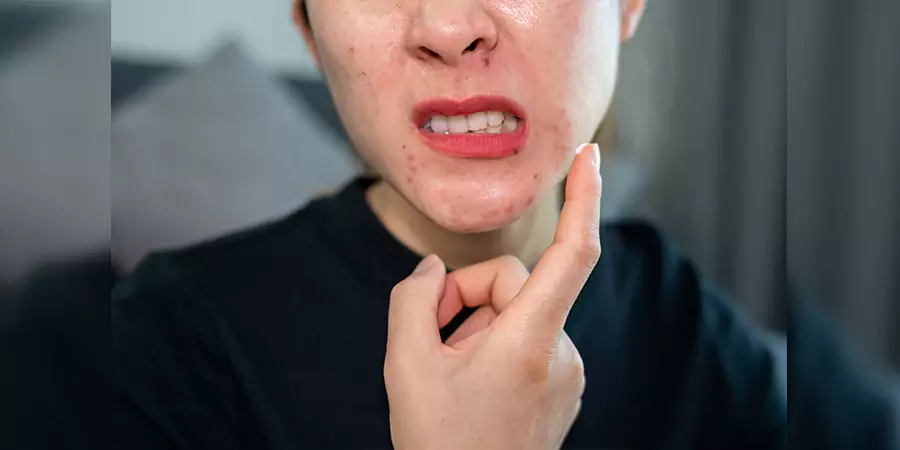
Common triggers include hormonal changes, oily or pore-clogging products, friction, stress, and certain medicines. Family history can also influence acne.
Dirty skin is not the main cause. Washing too often or scrubbing harder will not clear blocked follicles and may worsen irritation.
Some people notice food-related patterns, but extreme restriction is unnecessary. Record repeated triggers and discuss them with a professional.
What Should You Never Put on Pimples?
Avoid toothpaste, undiluted essential oils, lemon juice, vinegar, baking soda, garlic, and harsh alcohol-based products.
These substances can disrupt the skin barrier, cause burns, or worsen redness and dark marks. “Natural” does not automatically mean gentle or suitable for facial skin.
Patch-test any new cosmetic product. Stop using it if you develop itching, swelling, blistering, or spreading redness.
When Should You See a Dermatologist?
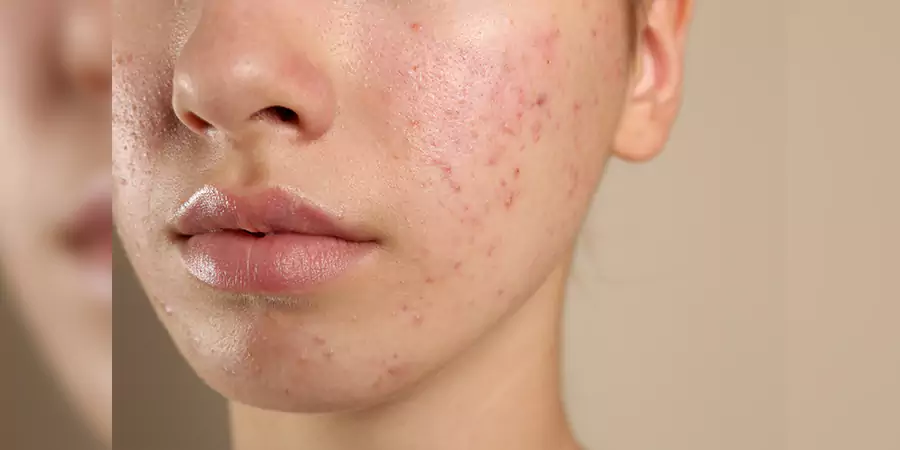
Seek professional advice when pimples are deep, painful, widespread, or leaving scars and persistent dark marks.
Also arrange an assessment if acne affects your confidence, sleep, school, work, or social life. Emotional distress is a valid reason to seek treatment.
See a dermatologist when consistent home care has not helped after six to eight weeks. Sudden severe acne or multiple deep, painful pimples deserve prompt medical evaluation from a dermatologist.
Frequently Asked Questions
How to get rid of pimples quickly?
You cannot safely erase a pimple overnight. Cleanse gently, use a warm compress for a deep spot, apply an appropriate acne product, and avoid squeezing.
Are home remedies for acne suitable for every skin type?
No. Sensitive, dry, eczema-prone, or allergy-prone skin may react differently. Introduce one product at a time and stop if irritation develops.
Can toothpaste remove pimples?
No. Toothpaste contains abrasive ingredients that can irritate facial skin. Use a labelled acne treatment instead and keep toothpaste only for your teeth.
Are pimples caused by dirty skin?
No. Acne begins inside blocked pores. Harsh washing can irritate the skin, so cleanse gently rather than washing repeatedly or scrubbing your face.
Calm Pimples Without Damaging Your Skin
The best home remedies for pimples protect the skin instead of attacking it. Cleanse gently, choose one evidence-based treatment, moisturise, use sunscreen, and keep your hands away.
Give a simple routine time to work. If breakouts are painful, persistent, or leaving scars, seek help rather than adding stronger DIY remedies.
For personalised guidance rooted in Unani care, visit a Hamdard Wellness Centre and speak with a qualified practitioner before starting any formulation.
Medical disclaimer: This article is for general educational purposes only. It does not replace professional medical advice, diagnosis, or treatment.