Kidney Stone Symptoms: Warning Signs You Should Know
Have you suddenly felt a sharp pain in your side or back? Or noticed burning while urinating, a pinkish tinge in your urine, or the need to pee more often than usual?
These symptoms are easy to dismiss. But sometimes, they can be early signs of kidney stones.
Kidney stone symptoms can vary depending on the stone’s size and location. Some people develop severe pain. Others first notice urinary changes, nausea, or discomfort.
Knowing these warning signs early can help you understand when a symptom needs medical attention instead of waiting for it to get worse.
Early Signs of Kidney Stones to Watch For
(@Medinaz/Youtube)
1. Sharp pain in the side or back
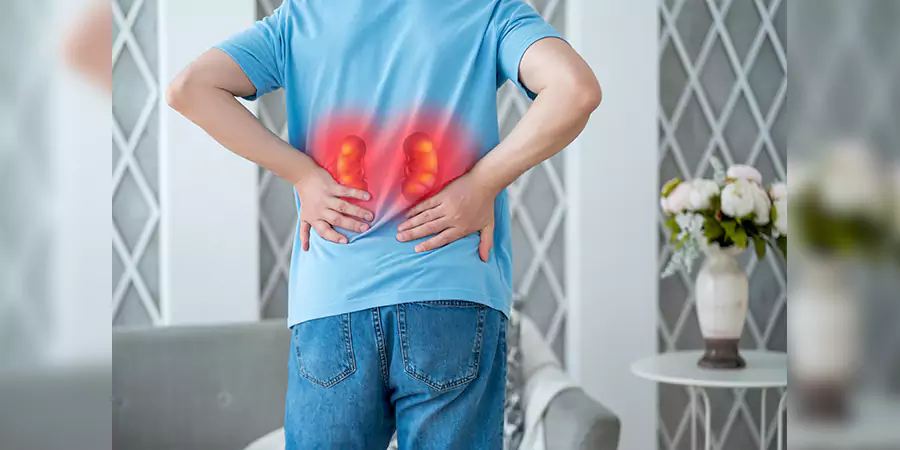
Kidney stone pain often starts in the side or back, below the ribs. It may be sudden, severe, and difficult to ignore.
The pain can come in waves and change in intensity or location.
The NIDDK kidney stone guidance lists sharp pain in the back, side, lower abdomen, or groin among kidney stone symptoms.
2. Pain that travels towards the groin
A stone moving down the ureter can make pain shift from the side or back towards the lower abdomen or groin.
3. Blood in the urine
Pink, red, or brown urine can be one of the signs of kidney stones. A stone may irritate the urinary tract as it moves.
Blood in urine should not be ignored because it can have causes other than kidney stones.
4. Burning or pain while urinating
A stone approaching the bladder may cause burning, stinging, or discomfort during urination.
This can also occur with infection. If burning appears with fever, chills, or worsening pain, seek medical advice.
5. A frequent urge to urinate
Frequent or urgent urination may occur when a stone moves lower in the urinary tract.
Difficulty passing urine is more concerning and needs medical assessment.
Kidney Stone Symptoms at a Glance
| Warning sign | What it may feel like | What to do |
| Side or back pain | Sharp pain below the ribs | Seek assessment of severe or persistent |
| Pain moving to groin | Waves of pain that change location | Seek care of intense or recurrent |
| Blood in urine | Pink, red, or brown urine | Contact a healthcare professional |
| Burning urination | Stinging or pain while peeing | Check for stones or infection |
| Fever with pain | Hot, cold, shivery, or unwell | Seek urgent medical care |
| Unable to urinate | Little or no urine despite the urge | Get urgent medical help |
Signs of Kidney Stones Beyond Pain
6. Nausea and vomiting
Severe kidney stone pain can occur with nausea or vomiting. These symptoms may make it difficult to drink enough fluid.
If vomiting continues or you cannot keep fluids down, seek medical care.
7. Cloudy or foul-smelling urine
Cloudy or strong-smelling urine with urinary symptoms may suggest infection.
Do not diagnose a kidney stone from urine appearance alone. Changes in urine can have several causes.
8. Fever, chills, or feeling shivery
Fever or chills with suspected kidney stone symptoms need particular attention. They can indicate infection, especially with severe side pain or urinary problems.
The NHS kidney stone guidance lists high temperature, feeling hot, cold or shivery, pain, vomiting, blood in urine, and urinary infection among possible symptoms of larger stones.
A blocked urinary tract with infection can become serious. Seek urgent medical help rather than waiting for the stone to pass.
Kidney Stone Pain: Where Can It Be Felt?
Stone remains in kidney
- Few or no symptoms may occur
- Stone enters ureter
- Sharp side or back pain may begin
- Stone moves downward
- Pain may travel to the lower abdomen or groin
- Stone reaches the lower urinary tract
- Urgency, frequent urination, or burning may be felt.
This is a general pattern, not a diagnostic timeline. Symptoms vary with the stone’s size, location, movement, and whether it causes blockage.
Can Kidney Stones Have No Symptoms?
Yes. Very small kidney stones may cause little or no discomfort and can pass without being noticed.
Symptoms often become obvious when a stone moves or blocks urine flow. Severe pain is not always present.
What Causes Kidney Stones?
(@TEDed/Youtube)
Kidney stones form when minerals and other substances in urine become concentrated enough to form crystals.
Low fluid intake can increase risk. Other factors include diet, medical conditions, some medicines, family history, and previous undiagnosed stones.
Prevention depends partly on stone type. NIDDK guidance notes that drinking enough liquid helps prevent many kidney stones, while dietary advice may differ by stone type and medical history.
Can Hamdard Majun Hajrul Yahud Support Urinary Health?
Hamdard lists Majun Hajrul Yahud in its Urinary System range. Hamdard describes this classical Unani formulation as supporting kidney and bladder health, healthy urine flow, and urinary comfort.
It should not be used to self-diagnose or delay treatment for suspected kidney stones. A painful or obstructing stone may require imaging, medicines, or a procedure.
You can also explore Hamdard’s Unani approach and urinary-health range. Use formulations with professional advice.
When Are Kidney Stone Symptoms an Emergency?
Seek urgent medical care if you have:
- Severe pain that you cannot manage.
- Fever or chills with side or back pain.
- Repeated vomiting or inability to keep fluids down.
- Inability to urinate or only a very small amount.
- Visible blood in urine with severe symptoms.
- Severe weakness, confusion, or rapidly worsening illness.
Do not wait for home remedies when these warning signs appear. Infection with urinary blockage can require urgent treatment.
Frequently Asked Questions
What are the first signs of kidney stones?
Early signs of kidney stones may include side or back pain, blood in urine, urinary urgency, or discomfort while urinating. Some small stones cause no symptoms.
What does kidney stone pain feel like?
It is often sharp and severe. The pain may come in waves and move from the side or back towards the lower abdomen or groin.
Can kidney stones cause fever?
Fever can occur when infection is present. Fever or chills with suspected kidney stones should be assessed urgently, especially with severe pain or urinary difficulty.
Can I prevent kidney stones by drinking more water?
Adequate fluid intake helps prevent many kidney stones, but prevention depends on the stone type and your health history. If you have had stones before, personalised dietary and medical advice may be needed.
Recognise the Warning Signs Early
Kidney stone symptoms are easier to act on when you know what to watch for. Severe side or back pain, pain moving towards the groin, blood in urine, painful urination, nausea, vomiting, and urinary urgency all deserve attention.
Fever, chills, inability to urinate, or uncontrolled pain need urgent assessment. Do not assume every episode will pass on its own.
If symptoms persist or you want personalised guidance for urinary health, visit a Hamdard Wellness Centre and consult a qualified practitioner. Timely medical evaluation remains essential when kidney stones are suspected.
Medical disclaimer: This article is for general educational purposes only. It does not replace professional medical advice, diagnosis, or treatment.