How to Improve Digestion and Support Gut Health
Do you often feel bloated, heavy, constipated, or uncomfortable after meals? You may not need a complicated diet. Small changes in how you eat, drink, move, and sleep can make digestion more comfortable.
Learning how to improve digestion starts with habits you can repeat daily. This guide gives you practical steps first, followed by useful foods, common mistakes, warning signs, and quick answers to common questions about gut health.
How to Improve Digestion: 7 Simple Habits That Help
1. Increase fibre gradually
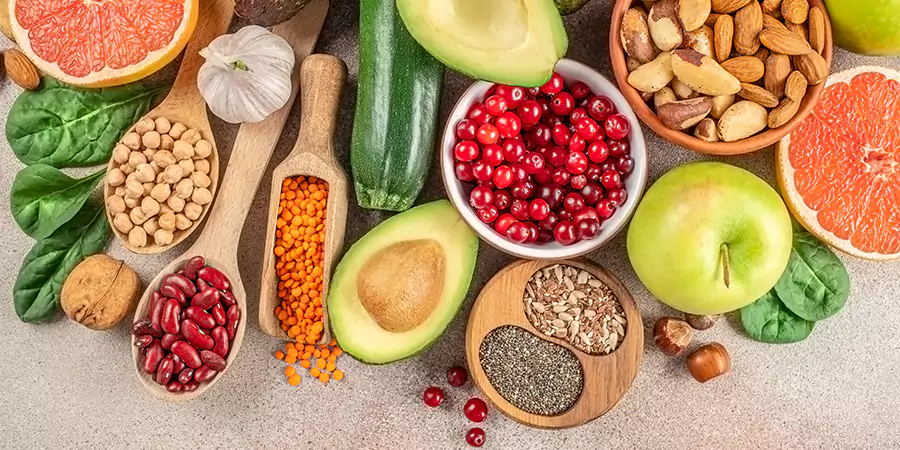
Add more vegetables, whole fruits, oats, whole grains, lentils, beans, nuts, and seeds.
Fibre may support regular bowel movements and help prevent constipation. Increase it slowly because a sudden jump can cause gas or bloating.
Start with one extra fibre-rich food each day and notice how your body responds.
2. Drink water throughout the day
Water helps fibre move through the digestive system and can make stools easier to pass.
Sip water regularly instead of waiting until you feel very thirsty.
Follow medical advice if you have been asked to restrict fluids.
3. Eat slowly and chew properly
Eating slowly may help you swallow less air and notice when you are comfortably full.
Take smaller bites, put your spoon down between mouthfuls.
4. Keep portions comfortable
Very large meals can cause heaviness, bloating, and heartburn.
Choose portions that satisfy hunger without leaving you uncomfortable. Eat at regular times so long gaps do not lead to overeating later.
If dinner feels heavy, reduce the portion and avoid lying down immediately afterwards.
5. Move every day

Regular movement may support bowel regularity and reduce sluggishness after meals.
Walking, cycling, and stretching can all help.
Avoid intense activity immediately after a large meal.
6. Protect your sleep
Poor sleep can affect appetite, meal timing, and digestive comfort.
Try to sleep and wake at similar times. Avoid heavy meals just before bed and create a routine that helps you relax.
7. Manage everyday stress

Stress can change appetite, bowel habits, and how digestive discomfort feels.
Walking, slow breathing, music, journalling, or a short quiet break may help.
Seek professional support when stress or low mood begins to affect eating or daily life.
Best Foods for Digestion and Gut Health
The best foods for digestion are everyday foods that provide fibre, fluids and balanced nutrition. You do not need expensive powders, detox drinks or one “superfood.”
Fibre-rich foods
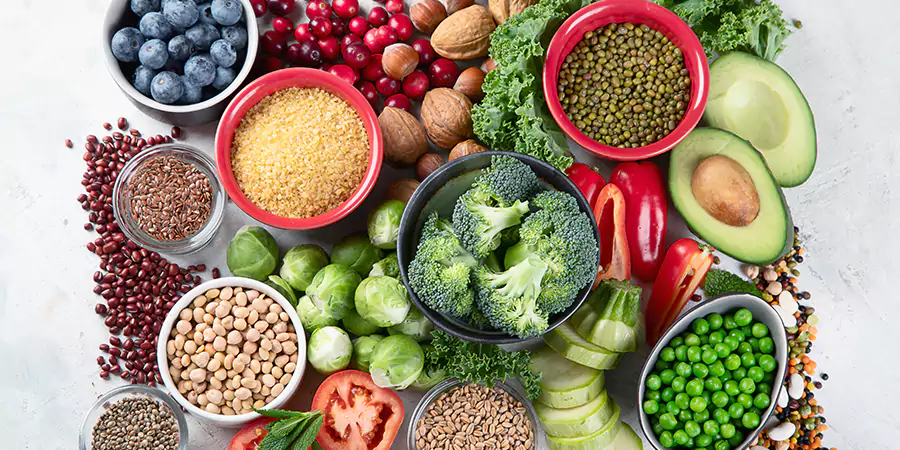
Include a mix of:
- Vegetables and whole fruits
- Oats, barley and whole-wheat foods
- Lentils, beans and chickpeas
- Brown rice and other whole grains
- Nuts and seeds
The NHS recommends getting fibre from different sources and drinking enough fluid to support regular bowel movements. Increase fibre gradually. Adding too much at once may cause gas, cramping or bloating.
Curd, yoghurt and protein
Curd or yoghurt may support digestion for some people, but it is not essential for good gut health. Reduce or avoid it if it repeatedly causes bloating, pain or loose stools.
Eggs, fish, tofu, pulses and lean poultry can make meals more satisfying. Pair them with vegetables and a whole grain instead of relying mainly on fried or heavily processed foods.
Notice your triggers
Spicy foods, dairy, caffeine, onions, wheat, fizzy drinks or greasy meals may affect people differently.
Keep a food-and-symptom record if discomfort returns. Do not remove several food groups without professional guidance.
A Simple Daily Routine for Better Digestion
This routine focuses on when and how you eat, so it does not repeat the food list above. Start with one or two changes.
Morning
- Drink water after waking.
- Give yourself enough time to use the toilet without rushing.
A calm start can support regular hydration and bowel habits through the day.
During meals
- Sit down and eat without rushing.
- Take smaller bites and chew properly.
- Stop when you feel comfortably full.

Slower meals may reduce swallowed air, overeating and the heavy feeling that follows rushed eating.
After meals
- Take a short, gentle walk.
- Avoid lying down immediately after a heavy meal.
- Note whether discomfort follows large portions or rushed eating.
These observations can reveal patterns without requiring a restrictive diet.
Evening
- Keep dinner portions comfortable.
- Leave time between dinner and bedtime.
- Reduce late-night snacking if it causes heaviness or heartburn.
A lighter evening routine may improve comfort during sleep. Choose a schedule you can follow consistently.
Habits That Can Make Digestion Worse
Some habits may worsen bloating, heaviness, constipation, or heartburn.
Try to reduce:
- Eating too quickly
- Frequent large or greasy meals
- Lying down soon after eating
- Excess fizzy drinks or alcohol
- Repeated laxative use without advice
- Several digestive supplements taken together
- Highly restrictive diets
- Detox teas and “gut cleanses”
Do not assume every symptom is caused by “toxins” or poor gut health. Constipation, acid reflux, food intolerance, infection, and medicines can cause similar problems.
Unani medicine is a traditional healthcare system that considers food, routine, and individual needs together. Hamdard’s introduction to Unani medicine explains this approach.
Traditional support should not replace diagnosis, prescribed medicines, or treatment for a known condition.
When Digestive Symptoms Need Medical Attention

Occasional gas or fullness may improve after changing meal size, eating speed, or food choices.
See a doctor when symptoms continue for several weeks, keep returning, disturb sleep, or interfere with daily activities.
Seek prompt medical care for:
- Blood in the stool or black stools
- Unexplained weight loss
- Repeated vomiting
- Difficulty swallowing
- Severe or persistent stomach pain
- Fever or dehydration
- Ongoing diarrhoea or constipation
- A major change in bowel habits
The US National Institute of Diabetes and Digestive and Kidney Diseases explains that indigestion may be assessed through symptoms, medical history, examination, and tests when appropriate.
For occasional digestive discomfort, review Hamdard Pachnol and follow the labelled directions. Do not use a digestive product for persistent or severe symptoms without professional advice.
Frequently Asked Questions About Digestion and Gut Health
What is the fastest way to improve digestion?
There is no guaranteed instant fix. Eating slowly, drinking enough water, keeping portions comfortable, and taking a gentle walk after meals may ease mild discomfort.
Which foods are best for gut health?
Vegetables, fruits, whole grains, pulses, nuts, seeds, and curd or yoghurt if tolerated can support a varied diet. Increase fibre gradually.
Can stress affect digestion?
Yes. Stress may change appetite, bowel habits, and how strongly you notice digestive discomfort. Sleep, movement, and relaxation practices may help.
When should I see a doctor for bloating?
See a doctor if bloating keeps returning, lasts for weeks, or occurs with pain, vomiting, bleeding, weight loss, fever, or major bowel changes.
Conclusion
To improve digestion and support gut health, begin with simple habits: add fibre gradually, drink water, eat slowly, keep portions comfortable, move regularly, protect your sleep, and stay consistent.
Make one or two changes at a time and notice patterns. Persistent pain, bleeding, vomiting, weight loss, or major bowel changes need medical assessment, not another quick remedy.
For personalised traditional support alongside your existing care, you may consult a qualified practitioner through a Hamdard Wellness Centre.
Medical disclaimer: This article is for general educational purposes only. It is not a substitute for professional medical advice, diagnosis, or treatment.