How to Reduce Joint Pain Naturally: 8 Simple Steps
Does joint pain make climbing stairs, opening jars, or getting out of bed harder than it should be? You may want relief without making the problem worse.
This guide explains how to reduce joint pain through eight everyday habits. It also discusses the common causes of joint pain and natural remedies to support joint health. Read through to know it all.
How to Reduce Joint Pain Through 8 Daily Habits
1. Keep the joint moving gently
Complete rest can increase stiffness. Use the joint within a comfortable range of movement instead.
Try short walks, gentle stretches, cycling, swimming, or water exercise. Begin slowly. Stop if movement causes sharp pain, marked swelling, or loss of function.
A physiotherapist can suggest exercises that suit the painful joint and its cause.
2. Use heat or cold correctly
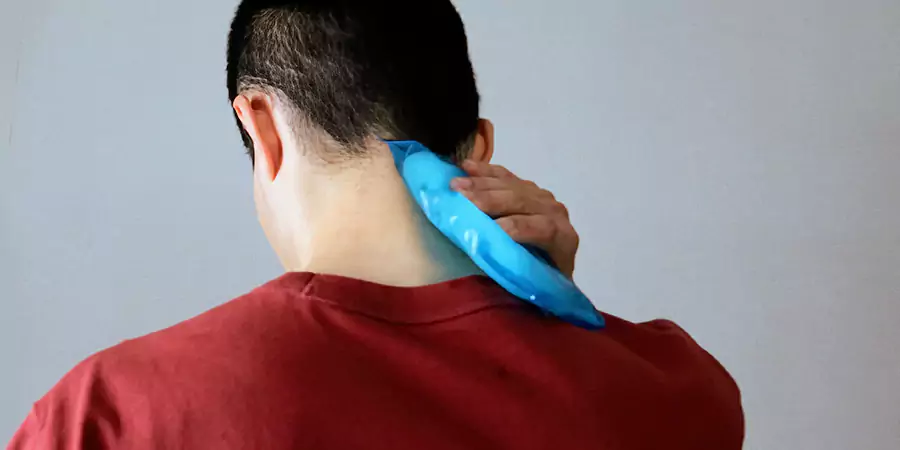
| Use cold when | Use heat when |
| A joint is newly painful | A joint feels stiff |
| Mild swelling is present | Nearby muscles feel tight |
| Pain follows minor strain | Warmth makes movement easier |
| The area is not numb | The area is not hot or swollen |
Wrap the ice pack or heating pad in a thin towel before applying it to the painful joint or surrounding area. Keep each session brief. Avoid either method when sensation is reduced unless a clinician advises it.
Protect your skin. Do not sleep with a heat pack or place ice directly on the body.
The NIAMS arthritis guidance explains how heat and cold may support joint pain relief.
3. Balance activity and rest
Doing too much can trigger pain. Doing too little can reduce strength and mobility.
Break large tasks into smaller parts. Change position regularly. Rest before pain becomes severe.
After a mild flare, return to movement gradually. Avoid repeatedly pushing through strong pain.
4. Strengthen the muscles around the joint
Stronger muscles can support a joint and make daily movement easier.
Use light resistance bands, body-weight exercises, or supervised strength training. Correct technique matters more than heavy weight.
Ask for guidance after surgery, injury, or a long period of inactivity.
5. Work towards a healthy weight
Extra body weight can increase strain on weight-bearing joints, especially the knees, hips, and feet.
Choose gradual, realistic changes. Avoid crash diets.
Joint pain can make weight management difficult. Low-impact exercise and professional dietary advice may help.
6. Build balanced meals
No food can cure arthritis or remove pain immediately. A balanced diet can still support weight, muscle, bone, and general health.

Choose more:
- Vegetables and whole fruits
- Pulses, eggs, fish, tofu, or lean meat
- Whole grains
- Nuts and seeds
- Suitable sources of calcium and vitamin D
Limit frequent sugary drinks, highly processed snacks, and excessive alcohol.
Do not start high-dose supplements without advice. Some can interact with medicines.
7. Protect sleep and manage stress
Pain can disturb sleep. Poor sleep can make pain feel harder to manage.
Keep a regular sleep schedule. Use pillows to support the painful area. Avoid long daytime naps if they delay sleep.
Slow breathing, counselling, recreation, and social support may also help. These steps support coping. They do not treat the underlying joint disease.
8. Review footwear, posture, and daily tasks

Supportive shoes may reduce pressure on painful feet, knees, or hips.
Adjust your chair, desk, and screen if work increases discomfort. Avoid repeated gripping or bending when possible.
A brace, walking aid, or shoe insert may help some people. Ask a physiotherapist, occupational therapist, or podiatrist before choosing one.
Common Causes of Joint Pain
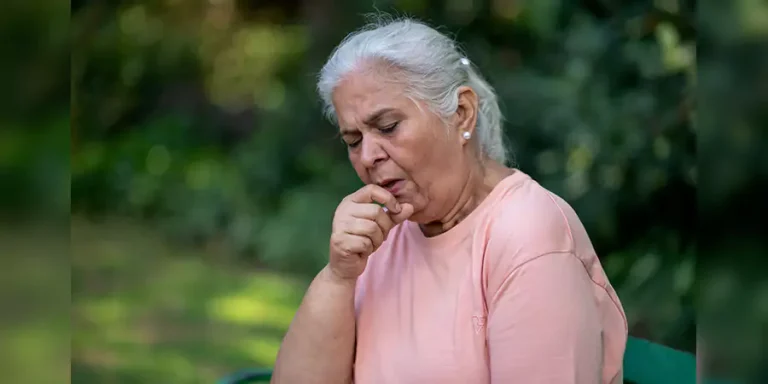
(@nortonhealthcare/YouTube)
Joint pain may follow an injury, overuse, or repeated strain. It can also result from osteoarthritis, rheumatoid arthritis, gout, bursitis, infection, or another condition.
The pattern can offer clues:
- Pain after activity may follow strain or osteoarthritis.
- Sudden severe pain in a hot joint may occur with gout.
- Long morning stiffness may suggest inflammatory arthritis.
- Pain with fever and a hot, swollen joint may signal infection.
- Pain after a fall may involve a sprain, dislocation, or fracture
These clues are not a diagnosis. The NHS joint pain guide recommends medical review when pain affects normal activities, worsens, returns, or fails to improve with home care.
Do not assume every ache is arthritis. The correct treatment depends on the cause.
Natural Remedies for Joint Pain and Unani Support
Unani medicine is a traditional healthcare system. To evaluate a patient’s needs, it considers aspects like diet, sleep, movement, environment, digestion, and individual temperament together.
Hamdard’s introduction to Unani medicine explains this personalised framework.
Hamdard Aujai® is a proprietary Unani formulation listed in Hamdard’s Musculoskeletal System range. Hamdard describes it as a product for rheumatism, gout and joint pain.
Use the product only as directed on the label or by a qualified practitioner.
The NCCIH safety guidance notes that herbal products may interact with medicines. Extra care is needed during pregnancy, before surgery, and with liver, kidney, bleeding, or long-term health conditions.
When Joint Pain Needs Medical Care
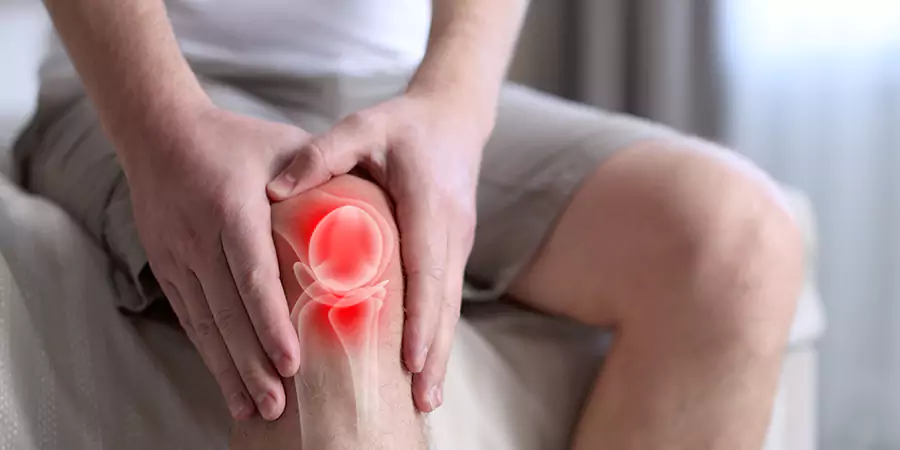
(Shutterstock, PeopleImages)
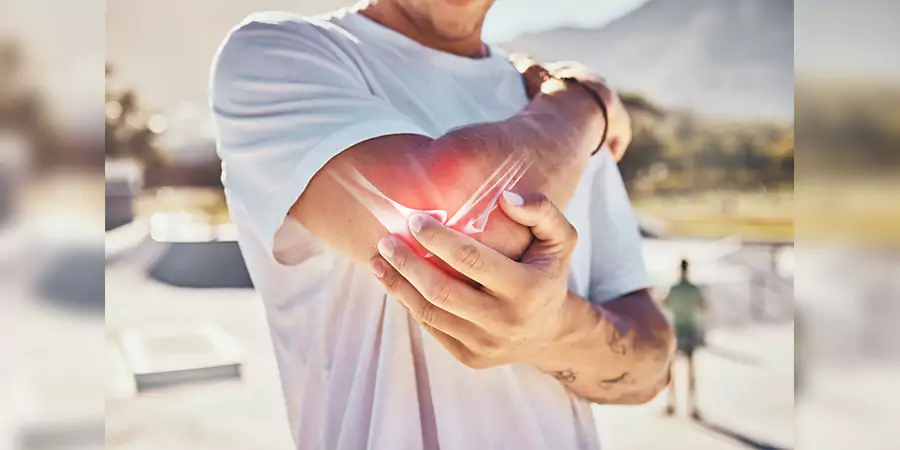
Arrange a medical appointment when:
- Pain affects sleep or normal activities
- Swelling worsens or keeps returning
- Home care has not helped after two weeks
- Morning stiffness lasts longer than 30 minutes
- Several joints are painful
- You have unexplained tiredness, weight loss, or a rash
- Pain began after a new medicine
- You need painkillers often
Seek urgent care for:
- A hot, swollen joint with fever or chills
- Severe pain after a fall or injury
- A joint that looks out of place
- Inability to walk or bear weight
- Numbness or loss of feeling after injury
- Sudden swelling with severe illness
Frequently Asked Questions About Joint Pain
Which home remedies for joint pain work fastest?
There is no single fastest remedy for every cause.
Cold may help swelling after minor strain. Heat may ease stiffness. Gentle movement and suitable pain relief may also help.
Is walking good for painful joints?
Walking can support mobility and strength when done at a comfortable level.
Start with short sessions. Choose a flatter route and supportive shoes. Stop and seek advice if pain becomes severe.
Which foods reduce joint pain?
No food guarantees pain relief.
Balanced meals can support weight, bones, and muscles. Choose vegetables, fruit, pulses, whole grains, protein, nuts, and seeds.
Should I use heat or ice for joint pain?
Use cold for recent pain or swelling. Heat may feel better for stiffness.
Keep either treatment brief and protect the skin. Seek advice if you have poor circulation or reduced sensation.
Can Unani medicine treat arthritis?
Unani care may support routine, movement, diet, and general comfort.
It should not replace diagnosis or prescribed treatment for arthritis, gout, infection, or injury.
Conclusion
The best answer to how to reduce joint pain is a steady, cause-aware plan. Keep moving gently. Use heat or cold correctly. Build strength, protect sleep, eat well, and seek care when symptoms persist.
For personalised traditional support, consult a qualified practitioner through a Hamdard Wellness Centre. Use Unani care alongside medical assessment and treatment.
Medical disclaimer: This article is for general educational purposes only. It does not replace professional medical advice, diagnosis, or treatment.