How to Increase Male Fertility Naturally
Have you been trying to conceive and wondering whether your daily routine could be affecting fertility? Male fertility can be influenced by food, weight, sleep, smoking, alcohol, heat, medicines, and underlying health problems.
This guide explains how to increase male fertility through eight practical habits. It then explains foods, Unani care, fertility testing, and when to see a specialist.
How to Increase Male Fertility: 8 Practical Habits
1. Work towards a healthy weight

Being underweight or carrying excess weight may affect hormones and reproductive health.
Choose gradual changes. Avoid crash diets, extreme fasting, and untested fat-burning products. A steady plan should protect nutrition and muscle health.
2. Eat balanced meals (H3)
Build meals around vegetables, whole fruits, whole grains, pulses, suitable protein, nuts, seeds, and healthy fats.
Do not depend on one “fertility food.” Overall eating patterns matter more than a single ingredient.
3. Move regularly (H3)

Regular exercise supports weight, blood sugar, heart health, mood, and sleep.
Choose walking, cycling, swimming, or strength work. Avoid sudden overtraining that causes exhaustion or rapid weight loss.
4. Stop smoking and recreational drugs (H3)
Smoking may reduce sperm count and quality. Recreational drugs can also affect fertility.
Anabolic steroids are especially important. They can suppress natural sperm production, even when they increase muscle size.
5. Limit alcohol

Heavy drinking may lower testosterone, affect sexual function, and reduce sperm production.
Drink less or avoid alcohol while trying to conceive. Do not start drinking because of claims about heart or fertility benefits.
6. Avoid repeated excess heat
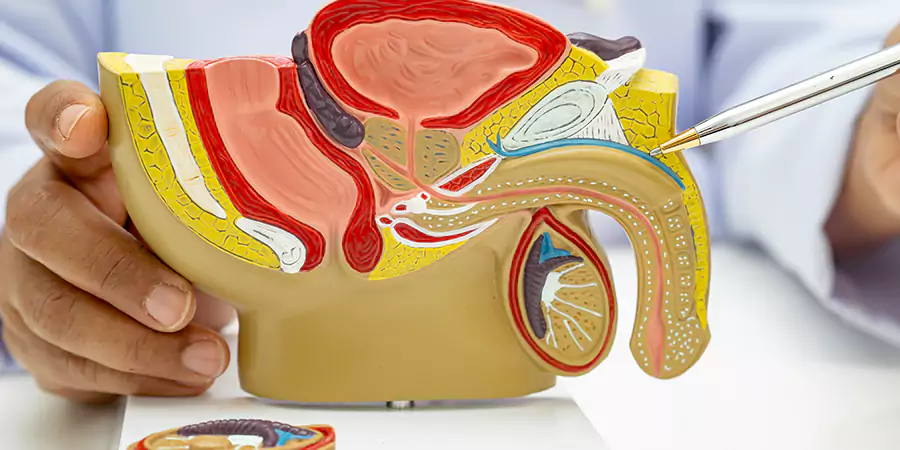
The testicles work best at a lower temperature than the rest of the body.
Limit frequent hot tubs and saunas. Take breaks from prolonged sitting. Use protective measures when work involves strong heat.
Loose clothing may feel more comfortable, but it cannot correct a medical cause of infertility.
7. Review medicines and supplements
Some medicines can affect fertility. These include hormone treatments, opioids, chemotherapy drugs, and anabolic steroids.
Never stop prescribed treatment yourself. Ask the prescriber to review safer options.
Tell your doctor about bodybuilding products, herbal remedies, and supplements. Avoid testosterone unless a fertility specialist confirms it is appropriate.
8. Protect sleep, stress, and sexual health

Keep a regular sleep schedule. Make time for movement, relaxation, and emotional support.
Stress does not explain every fertility problem. However, it can affect sleep, relationships, and sexual function.
Prevent sexually transmitted infections. Seek testing when exposure is possible. Untreated infections may affect fertility.
Foods to Increase Sperm Count and Quality
No food can guarantee pregnancy or correct every cause of male infertility. A balanced diet may still support general health and healthy sperm production.
| Choose more often | Limit more often |
| Vegetables and whole fruits | Sugary drinks and sweets |
| Dal, beans, eggs, fish, or lean meat | Processed and fatty meats |
| Whole grains | Refined snacks and pastries |
| Nuts, seeds, and suitable oils | Deep-fried foods |
| Plain water or unsweetened drinks | Heavy alcohol intake |
Foods to increase sperm count are often marketed as quick solutions. Treat them as part of a full diet instead.
Include enough protein and calories. Choose iron, zinc, folate, and vitamin-rich foods from varied sources.
(@zitawest/Youtube)
Do not take high-dose antioxidants, zinc, or herbal capsules without advice. More is not always better. Supplements may cause side effects, interact with medicines, or delay proper testing.
The Mayo Clinic guide to healthy sperm explains how weight, smoking, alcohol, medicines, heat, stress, and toxins may affect reproductive health.
How Unani Care May Support Male Fertility
Unani medicine is a traditional healthcare system. It considers aspects like diet, sleep, activity, digestion, stress, environment, and individual temperament together to evaluate a patient’s needs.
When assessing fertility concern, a qualified practitioner asks about medical history, sexual health, medicines, previous infections, testicular problems, and any semen reports.
Hamdard’s introduction to Unani medicine explains this personalised framework.
Hamdard’s Male Health and Wellbeing range lists traditional formulations for male vitality and wellbeing.
Before choosing a product, ask whether it is suitable with diabetes medicines, blood-pressure treatment, blood thinners, hormone medicines, or fertility treatment.
You can also review Hamdard’s research and quality overview for information about its testing practices.
Testing and When to Seek Medical Help
Male fertility depends on more than sperm count. Movement, shape, semen volume, sexual function, and the ability to deliver sperm also matter.
A semen analysis is the main starting test. Results can vary, so an abnormal result may need to be repeated.
The AUA and ASRM male infertility guideline recommends a reproductive history and semen analysis as part of the initial male evaluation.
Seek fertility advice after:
- Twelve months of regular unprotected sex when the female partner is under 35.
- Six months when the female partner is 35 or older.
- A shorter period when either partner has a known fertility concern.

Seek help sooner for:
- Testicular pain, swelling, or a lump
- Erection or ejaculation problems
- Very low sexual desire
- Previous undescended testes
- Groin or testicular surgery
- Cancer treatment
- Recurrent genital infections
- Use of anabolic steroids or testosterone
The NHS low sperm count guide explains semen testing, lifestyle advice, and available fertility treatments.
Both partners should be assessed. Fertility is a shared health issue, not one person’s fault.
Frequently Asked Questions About Male Fertility
How long do lifestyle changes take to help?
Changes are not immediate. Healthy sperm production takes time, so consistent habits matter more than short challenges or detox plans.
Follow the retesting schedule given by your clinician.
Can exercise increase male fertility?
Moderate exercise may support weight, metabolic health, sleep, and wellbeing.
Excessive training, steroid use, or severe calorie restriction may have the opposite effect.
Which foods are best for male fertility?
Choose varied meals with vegetables, fruit, pulses, whole grains, protein, nuts, seeds, and healthy fats.
No single food can guarantee a higher sperm count or pregnancy.
Can Unani medicine treat male infertility?
Unani care may support diet, routine, stress management, and general wellbeing.
It should not replace semen analysis or treatment for infection, hormone problems, varicocele, blockage, or genetic conditions.
Can low sperm count still lead to pregnancy?
Yes, natural conception may still occur. The chance depends on the complete semen result and both partners’ fertility.
A specialist can explain treatment options when pregnancy does not occur.
Conclusion
The most practical answer to how to increase male fertility is to improve the factors you can control. Eat balanced meals, move regularly, stop smoking, limit alcohol, avoid steroids, reduce excess heat, and review medicines.
For personalised traditional support, consult a qualified practitioner through a Hamdard Wellness Centre. Use Unani care alongside medical testing and specialist treatment when needed.
Medical disclaimer: This article is for general educational purposes only. It does not replace professional medical advice, diagnosis, or treatment.