Best Herbs for Hair Growth and Thickness
Are you finding more hair on your pillow, comb, or shower drain? The right herbal care may help support scalp health, reduce breakage, and improve the look and feel of your hair.
This guide explains the best herbs for hair growth, what each may support, how to use them safely, and when thinning hair needs medical assessment.
Best Herbs for Hair Growth and Thickness
Herbs may support scalp comfort, reduce breakage, or improve the feel of dry hair. A few have early evidence for hair growth. Most still need stronger human studies.
1. Rosemary
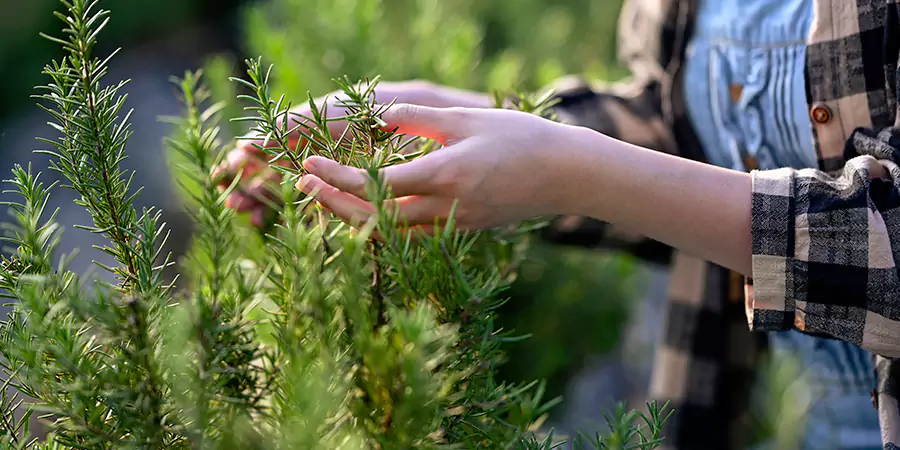
Rosemary is one of the most studied herbal options for thinning hair. A small six-month clinical trial compared rosemary oil with 2% minoxidil in people with pattern hair loss. Both groups showed increased hair counts after six months.
This does not prove rosemary works for everyone. It also does not show that it equals stronger minoxidil products.
Never apply rosemary essential oil directly. Dilute it in a carrier oil and patch-test first. Stop if burning, redness, or itching occurs.
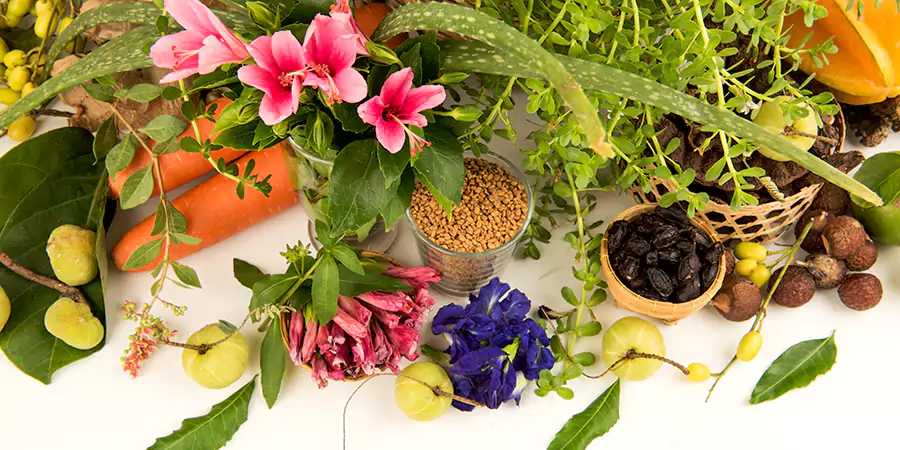
2. Bhringraj
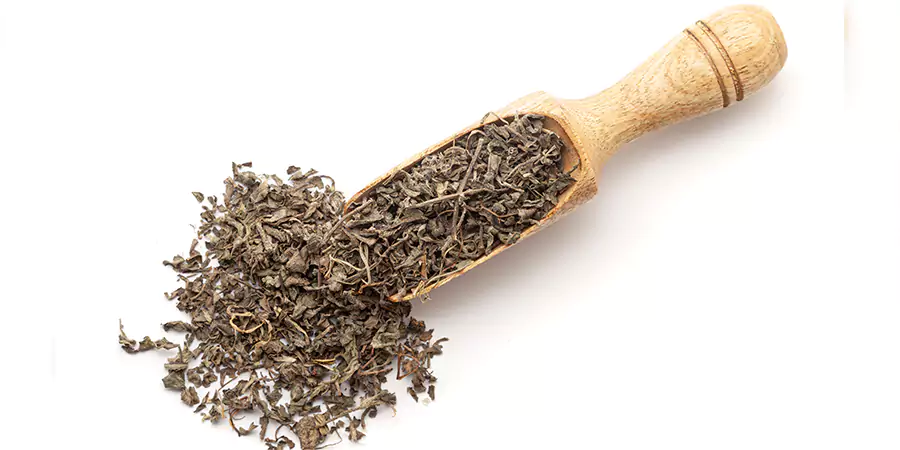
Bhringraj is used in Unani hair care. It is added to oils for scalp massage and dry hair.
Laboratory and animal studies have explored its effects on hair follicles. Good human evidence remains limited. View it as traditional supportive care, not a proven hair-loss treatment.
Choose a clearly labelled product. Avoid mixtures with unknown strength or hygiene.
3. Amla
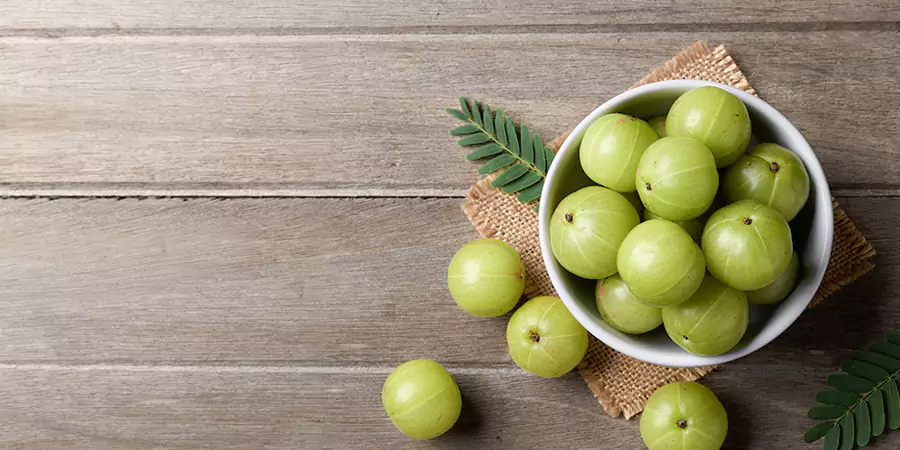
Amla, or Indian gooseberry, appears in many traditional hair oils and powders. It contains plant compounds with antioxidant activity.
Amla may condition hair and reduce the roughness that leads to breakage. Claims that it regrows lost hair lack strong clinical evidence.
Powders can irritate or dry some scalps. Mix carefully and rinse thoroughly.
4. Fenugreek
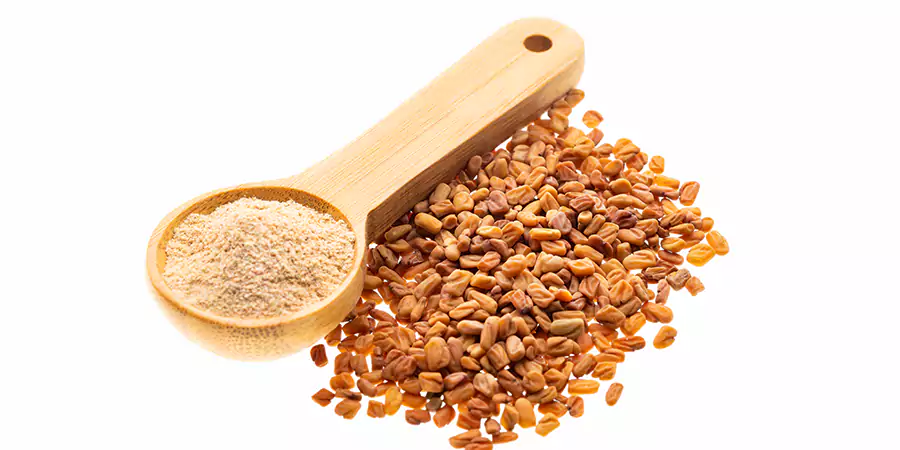
Fenugreek seeds are often soaked or ground into hair masks. Their natural gums can coat hair and make it feel smoother.
This may reduce friction and breakage. It does not create new hair follicles. Human evidence for regrowth is weak.
Patch-test first. Do not keep wet homemade pastes for long because they may spoil.
5. Aloe Vera
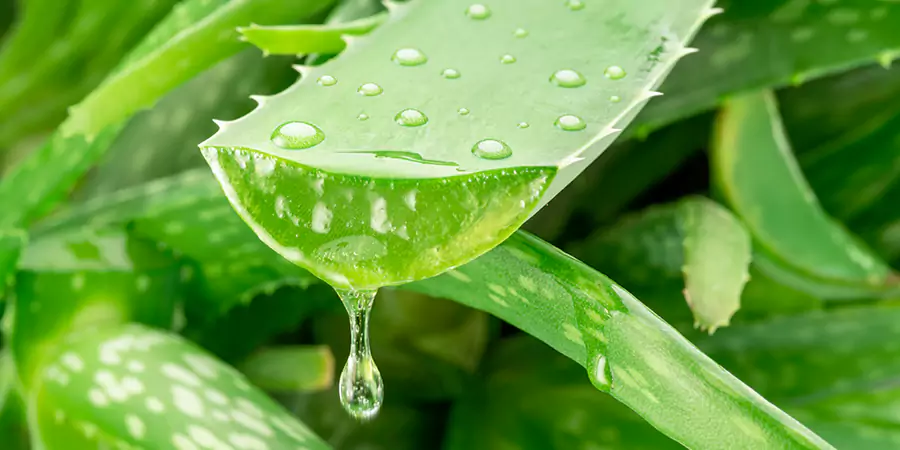
Aloe vera gel may soothe a dry or irritated scalp. It can also make hair feel smoother.
Choose a product without strong fragrance. Stop if the scalp becomes itchy or inflamed.
Do not use aloe to hide persistent scaling, sores, or patchy hair loss.
6. Hibiscus
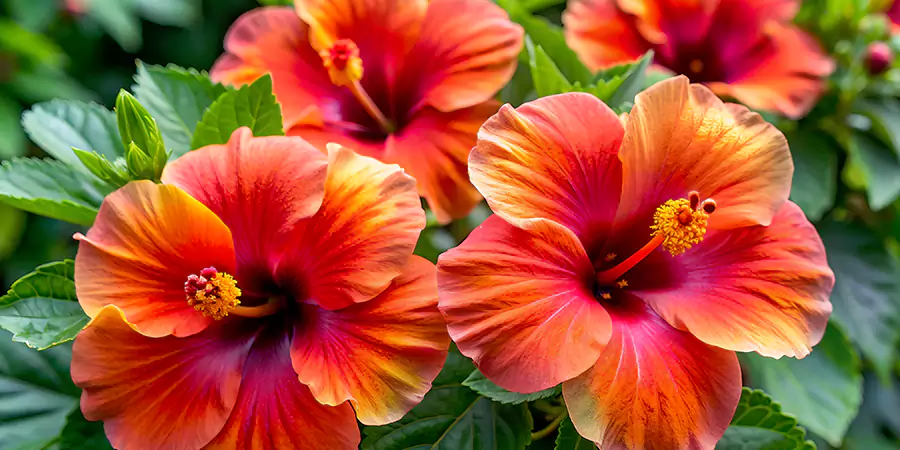
Hibiscus leaves and flowers are traditionally used in oils and rinses. They may soften hair and reduce tangling.
Most growth claims come from traditional use and early laboratory research. Human trials are lacking.
Treat hibiscus as a conditioning ingredient, not a cure for baldness or sudden shedding.
How to Use Herbal Hair Remedies Safely
Natural does not always mean gentle. Essential oils, concentrated extracts, fragrances, and homemade mixtures can irritate the scalp.
Dilute essential oils
Add only a small amount of essential oil to a carrier oil. Follow the label instead of guessing the ratio.
Avoid the eyes. Keep essential oils away from children and pets.
Patch-test before full use
Apply a small amount behind the ear or on the inner arm. Wait at least 24 hours.
Do not use it if redness, swelling, itching, or burning appears.
Keep homemade mixtures fresh
Make small amounts. Use clean tools and containers.
Discard mixtures that change smell, colour, or texture. Water-based pastes can spoil quickly.
Check medicines and health conditions
Ask a clinician before taking herbal supplements. Some may interact with medicines or be unsuitable during pregnancy, breastfeeding, surgery, liver disease, or kidney disease.
The NCCIH safety guidance explains why herbal products still require care.
How Unani Care Approaches Hair Health
Unani medicine is a traditional healthcare system. It considers diet, sleep, stress, digestion, routine, and individual temperament together.
A qualified practitioner asks when hair loss began and how quickly it is progressing. They also review scalp symptoms, periods, pregnancy, recent illness, weight change, medicines, and family history.
Hamdard’s introduction to Unani medicine explains this personalised framework.
Traditional oils may support massage, conditioning, and scalp comfort. They should not be presented as guaranteed regrowth treatments.
Hamdard lists Roghan Amla Sada within its Hair Care range. It strengthens hair roots and helps prevent excessive hair fall. Review its ingredients and directions before use. Hamdard’s research and quality overview also describes its testing approach.
Support Hair Growth Beyond Herbs
(@vitalizinghealthtips/YouTube)
Hair needs enough protein, iron, zinc, calories, and other nutrients. Restrictive diets can worsen shedding.
Build meals around:
- Pulses, eggs, fish, dairy, tofu, or other proteins
- Vegetables and whole fruits
- Whole grains
- Nuts and seeds
- Iron-rich foods suited to your diet
Do not take high-dose biotin, iron, or zinc without a clear need. Excess supplements may cause harm or affect tests.
Handle hair gently. Avoid tight hairstyles, frequent bleaching, excessive heat, and rough brushing. Treat scalp disease instead of covering symptoms with oil.
Sleep and stress care support wellbeing. They cannot correct thyroid disease, anaemia, hormonal disorders, or inherited hair loss.
When Hair Loss Needs Medical Care
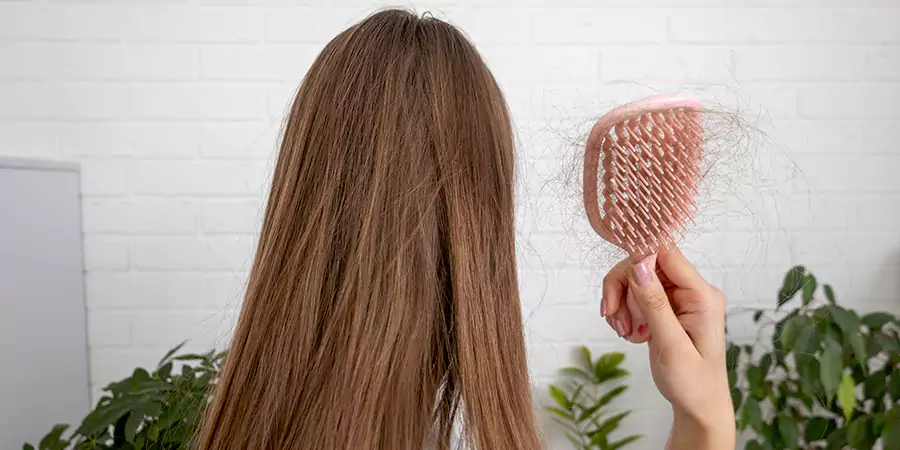
Hair loss has many causes. These include genetics, childbirth, fever, stress, thyroid disease, iron deficiency, scalp conditions, autoimmune disease, and medicines.
The NHS guide to hair loss explains why identifying the cause matters before choosing treatment.
Arrange a medical or dermatology appointment if:
- Hair loss is sudden or rapidly worsening
- You develop round or defined bald patches
- The scalp is painful, red, crusted, or scarred
- Eyebrows or eyelashes are also falling
- Shedding follows a new medicine
- You have fatigue, weight change, or irregular periods
- Hair loss causes significant distress
- Home care has not helped after several months
Seek prompt care if hair loss follows poisoning, severe illness, or a serious allergic reaction.
Frequently Asked Questions About Herbs for Hair Growth
Which herb is best for hair growth?
Rosemary has some human research, but evidence remains limited. The best choice depends on the cause of hair loss and your scalp condition.
Can herbs make hair thicker?
Herbal oils and conditioners may reduce dryness and breakage. This can make hair look fuller. They cannot create new follicles or reverse every form of hair loss.
How long do herbs take to show results?
Hair grows slowly. Any genuine change usually takes months, not days.
Stop sooner if irritation develops. Seek advice if shedding continues.
Can I mix several herbs in one oil?
More ingredients do not guarantee better results. Combining products can increase irritation and make reactions harder to identify.
Start with one clearly labelled product.
Are herbal remedies safe during pregnancy?
Not automatically. Essential oils, extracts, and oral supplements may be unsuitable.
Ask a qualified clinician before use during pregnancy or breastfeeding.
Conclusion
The best herbs for hair growth may support scalp comfort, conditioning, and reduced breakage. Rosemary has early human evidence. Bhringraj, amla, fenugreek, aloe vera, and hibiscus mainly rely on traditional use or limited research.
Use natural remedies for hair growth carefully and keep expectations realistic. For personalised traditional guidance, consult a qualified practitioner through a Hamdard Wellness Centre. Seek medical care when hair loss is sudden, patchy, painful, significant, or persistent.
Medical disclaimer: This article is for general educational purposes only. It does not replace professional medical advice, diagnosis, or treatment.