Irregular Periods Causes and How Unani Medicine May Help
Did your period arrive early, several weeks late, or not at all? One unexpected cycle may not mean something is wrong. Repeated changes, however, can raise concerns about hormones, fertility, or an underlying condition.
This guide explains common irregular periods causes, the symptoms associated, practical lifestyle steps, how a personalised Unani support can naturally support, and clear signs that need prompt medical attention.
Irregular Periods Causes: What May Be Changing
A menstrual cycle is counted from the first day of one period to the first day of the next. Adult cycles fall between 21 and 35 days. A cycle may be irregular when the gap repeatedly falls outside that range or changes widely each month.
The NHS guide to irregular periods notes that irregularity is more common soon after periods begin and near menopause.
Pregnancy and hormonal contraception
Pregnancy is a reason for a missed period. Take a pregnancy test when pregnancy is possible.
Hormonal pills, injections, implants, and intrauterine systems can also change bleeding. Speak with your clinician if the change is unexpected.
Stress, weight, and exercise

Stress can affect ovulation. Sudden weight loss, weight gain, under-eating, or intense exercise may also disturb cycles. These factors are often known to overlap.
PCOS, thyroid problems, and other conditions
(@dr.paulinmoyaeart/YouTube)
Polycystic ovary syndrome, or PCOS, can cause irregular or missed periods. Other signs may include acne, excess facial hair, or difficulty conceiving.
An underactive or overactive thyroid may also change cycles. Raised prolactin, early loss of ovarian function, diabetes, and long-term illnesses can play a role.
Puberty, breastfeeding, and perimenopause
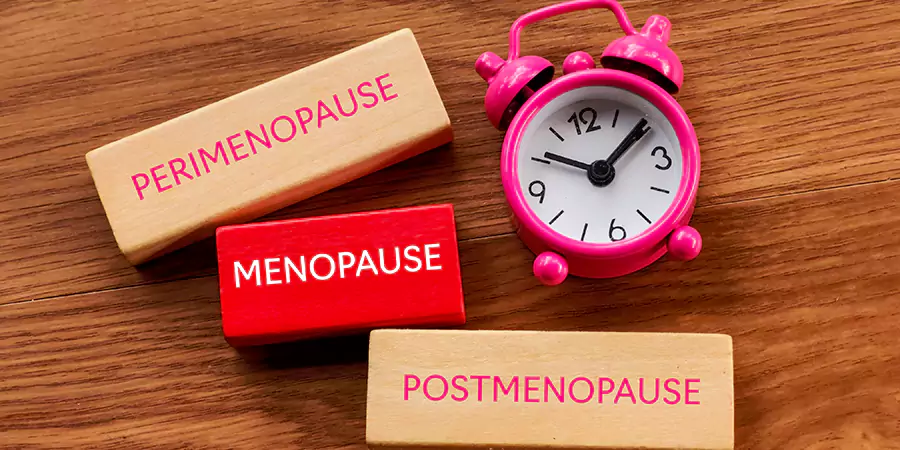
Cycles can take time to settle during puberty. Breastfeeding may delay regular periods after birth.
Perimenopause can make periods less predictable before they stop. Bleeding after menopause should always be checked.
How to Regulate Periods Naturally: 6 Supportive Habits
No food, drink, or home remedy can correct every cause. These habits may support general health and make patterns easier to understand. They do not replace diagnosis or irregular periods treatment.
1. Track each cycle
Record the first day of bleeding, cycle length, flow, pain, spotting, and missed periods.
Also note sleep, stress, exercise, medicines, and weight changes. A diary can help your clinician identify patterns and choose tests.
2. Eat regular, balanced meals
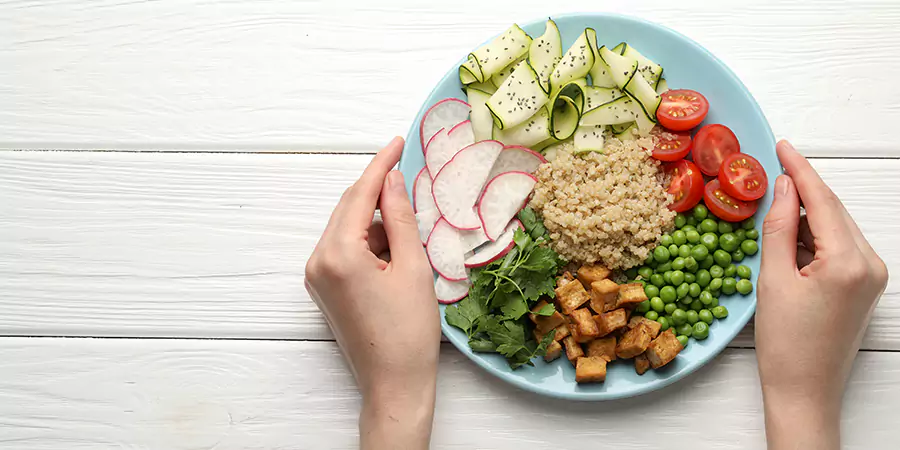
Include vegetables, fruit, whole grains, pulses, protein, and healthy fats.
Do not cut calories sharply. Poor nutrition may worsen tiredness. Heavy bleeding can also increase the risk of iron deficiency.
3. Aim for gradual weight changes
Both low body weight and excess body fat can affect ovulation.
Choose gradual changes that protect energy and muscle. Seek help when weight changes are sudden or linked to disordered eating.
4. Move without overtraining
Regular movement supports mood, sleep, heart health, and weight management.
Balance exercise with food and recovery. Reduce intense training if periods change after a major increase in activity.
5. Protect sleep and reduce stress
Keep a steady sleep schedule. Build short breaks into demanding days.
Walking, slow breathing, recreation, and counseling may help. These steps cannot treat PCOS, thyroid disease, pregnancy, or other medical causes.
6. Avoid quick-fix remedies
Do not rely on detox drinks, high-dose supplements, or herbal mixtures that promise an immediate period.
A delayed period may be caused by pregnancy or illness. Trying to trigger bleeding can delay proper care.
How Unani Medicine May Offer Support
Unani medicine is a traditional healthcare system. It considers aspects like diet, sleep, movement, emotional state, environment, and individual temperament together to evaluate a patient’s medical needs.
A key concept is Mizaj, or temperament. Before suggesting a relevant course of treatment, a practitioner may ask about your appetite, digestion, sleep, stress, menstrual history, medicines, and lifestyle routine. Hamdard’s introduction to Unani medicine explains this framework.
Hamdard Masturin: Use, Safety and Limitations
Hamdard Masturin is a proprietary Unani syrup listed for women’s health and hormonal support. Hamdard describes it as supporting menstrual timing and flow.
Traditional methods should not replace modern testing. Unani support may complement care, but it cannot confirm why a cycle changed.
Do not choose a product only because the label mentions menstrual health. Check the ingredients and warnings first.
The NCCIH safety guidance notes that herbal products can interact with medicines. Extra caution is needed during pregnancy, breastfeeding, fertility treatment, surgery, and long-term illness.
Review Hamdard’s research and quality overview for testing information.
Testing, Treatment, and Warning Signs
Treatment depends on the cause. It may involve reassurance, changing contraception, treating thyroid disease or PCOS, improving nutrition, or other medical care.
A clinician may recommend a pregnancy test, blood tests, or an ultrasound. The ACOG guide to abnormal bleeding explains how cycle history and tests can help identify the cause
Arrange a medical appointment when
- Periods repeatedly come less than 21 days or more than 35 days apart.
- Previously regular periods become irregular.
- A period stops for three months without explanation.
- Bleeding lasts longer than seven days.
- You bleed between periods or after sex.
- Pain interferes with work, sleep, or daily life.
- You have unusual hair growth, acne, weight change, or marked tiredness.
- You are trying to conceive and cycles remain irregular.

Seek urgent care when (H3)
Get urgent help for very heavy bleeding with dizziness, faintness, chest pain, or breathlessness.
Seek urgent assessment when a missed period is followed by unusual bleeding and pelvic pain. This may indicate a pregnancy complication.
Frequently Asked Questions About Irregular Periods
What counts as an irregular menstrual cycle?
Cycles may be irregular when the gap repeatedly falls below 21 days, rises above 35 days, or changes widely each month.
Persistent changes deserve assessment.
Can stress delay a period?
Yes. Strong or continuing stress may affect ovulation and delay bleeding.
Do not assume stress is the cause. Take a pregnancy test when relevant and seek advice if the change continues.
Can Unani medicine make periods regular?
Unani care may offer support around diet, sleep, activity, and stress.
It cannot guarantee regular periods. The underlying cause must be identified before any formulation is chosen.
Which foods help regulate periods naturally?
No single food regulates every cycle.
Eat regular meals with enough energy, protein, fibre, iron, and healthy fats. Individual advice may be needed for PCOS, diabetes, anaemia, or weight concerns.
When should I see a doctor for missed periods?
Seek advice after three missed periods, sooner when pregnancy is possible, or when missed periods occur with pain, unusual bleeding, headaches, vision changes, or other new symptoms.
Conclusion
Irregular periods causes range from pregnancy and contraception to stress, weight changes, PCOS, thyroid problems, breastfeeding, and perimenopause. Track your pattern and support basic habits, but do not guess the diagnosis.
For personalised traditional support, consult a qualified practitioner through a Hamdard Wellness Centre. Use Unani care alongside tests or treatment recommended by your clinician.
Medical disclaimer: This article is for general educational purposes only. It does not replace professional medical advice, diagnosis, or treatment.