How to Improve Liver Health: 10 Practical Tips
Did a blood test show that your liver results were outside the normal range? Or did an ultrasound mention fatty liver even though you feel well? This can be confusing because early liver problems often cause no clear symptoms.
Learning how to improve liver health starts with daily habits, not a quick cleanse. The ten practical tips below cover food, movement, weight, alcohol, medicines and infection prevention. You will also learn which foods support a balanced diet, which liver detox claims to avoid and when medical advice is important.
How to Improve Liver Health Through 10 Habits
1. Work towards a healthy weight
Extra body fat can lead to fat building up in the liver. This is often called fatty liver.
If weight loss is recommended, aim for slow and steady progress. Avoid crash diets. Choose sensible portions, balanced meals and regular activity instead.
2. Move more during the week
Regular movement can support weight control, blood sugar and overall fitness.
Walking is a practical place to begin. You can also try cycling, swimming or strength exercises if they suit you. Increase activity gradually if you have been inactive.
3. Reduce sugary drinks
Soft drinks, energy drinks, packaged juices and heavily sweetened tea can add large amounts of sugar.
Choose water or unsweetened drinks more often. Eat whole fruit instead of drinking fruit juice regularly.
4. Limit or avoid alcohol
The liver processes alcohol. Frequent or heavy drinking can damage it and worsen an existing condition.
Ask your doctor whether you should avoid alcohol completely. This is especially important if you have fatty liver, hepatitis or abnormal test results.
5. Build balanced meals
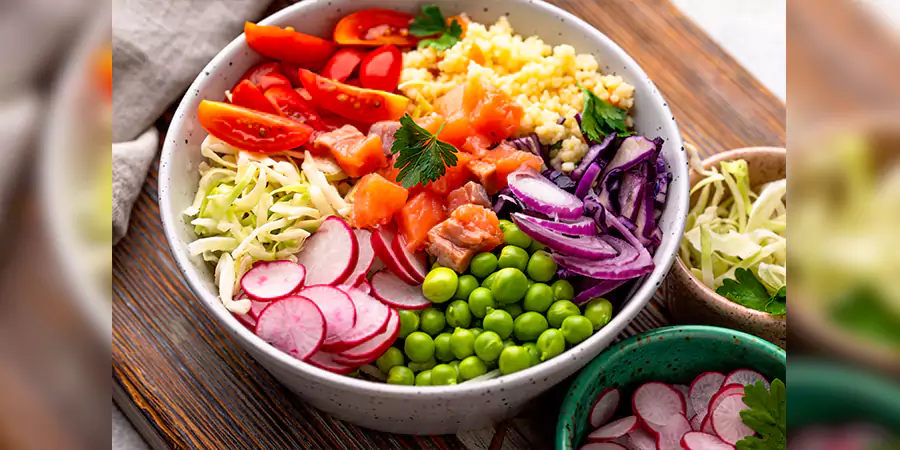
Fill a large part of your plate with vegetables. Add dal, beans, eggs, fish, tofu or lean poultry.
Choose a moderate portion of whole grains. Reduce deep-fried foods, processed meat, packaged snacks and frequent sweets.
6. Choose fats carefully
Nuts, seeds, fish and suitable vegetable oils can fit into a balanced diet.
Limit foods high in unhealthy fats, such as fried snacks, bakery products and processed meats. Keep portions moderate because all fats are high in calories.
7. Manage diabetes and cholesterol
High blood sugar and unhealthy cholesterol levels often occur alongside fatty liver.
Take prescribed medicines correctly. Attend follow-up tests. Better control of these conditions may also support liver health.
8. Use medicines safely
Take prescription and over-the-counter medicines only as directed. Never exceed the stated dose.
Tell your doctor about painkillers, vitamins, protein powders and supplements. Some products can affect the liver or interact with treatment.
9. Be careful with herbal products
“Natural” does not always mean harmless. Weight-loss powders, bodybuilding products and mixed herbal supplements may contain strong or undeclared ingredients.
Unani is a traditional healthcare system that considers food, routine and individual needs. You can read Hamdard’s introduction to Unani medicine before exploring this approach. Use any formulation only with qualified guidance.
10. Protect yourself from hepatitis
Hepatitis is an infection that can damage the liver. Hepatitis B can spread through infected blood and some body fluids.
Do not share needles, razors or toothbrushes. Ask a healthcare professional whether testing or vaccination is suitable for you. The CDC’s hepatitis B guidance explains prevention and vaccination.
Best Foods for Liver Health
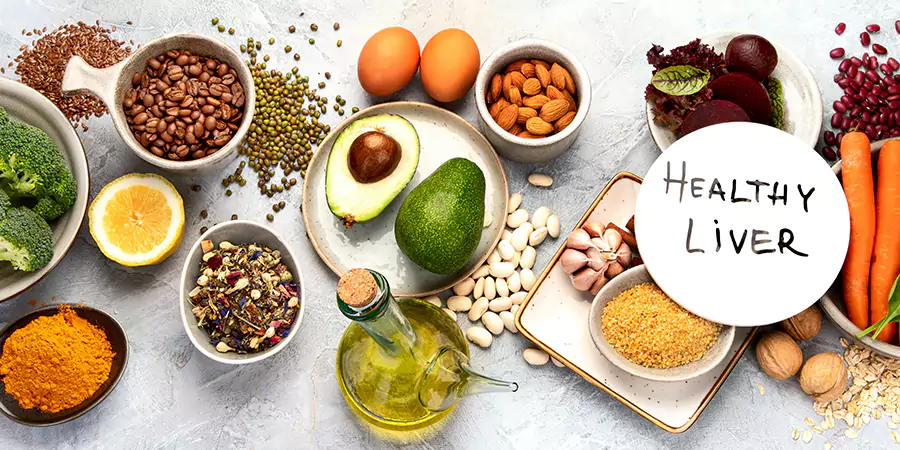
The best foods for liver health are simple, everyday choices that support a balanced diet and help you maintain a healthy weight.
Include more:
- Vegetables and salads
- Whole fruits
- Dal, beans and chickpeas
- Oats and other whole grains
- Eggs, fish, tofu or lean poultry
- Nuts and seeds in small portions
- Water and unsweetened drinks
A practical fatty liver diet does not need rare ingredients. The NIDDK guidance on fatty liver nutrition recommends healthy food choices, portion control and gradual weight loss when needed. It also advises limiting foods and drinks high in simple sugar.
No single fruit, spice or juice can repair every liver problem. If you have diabetes, kidney disease, pregnancy or diagnosed liver disease, ask a qualified professional for personalised food advice.
Liver Detox Claims to Avoid
Your liver already processes substances your body does not need. A juice, tea or powder cannot wash it clean overnight.
Be cautious when a liver detox product promises to:
- Remove liver fat within days
- Reverse liver damage quickly
- Make alcohol harmless
- Replace prescribed treatment
- Guarantee normal test results
These claims can delay proper care. Fasting and very low-calorie cleanses may also leave you weak or lead to overeating later.
Hamdard’s research and quality overview explains its approach to product development. Even so, read labels carefully. Discuss traditional products with a qualified professional if you take regular medicines or have liver disease.
When to Get Medical Advice
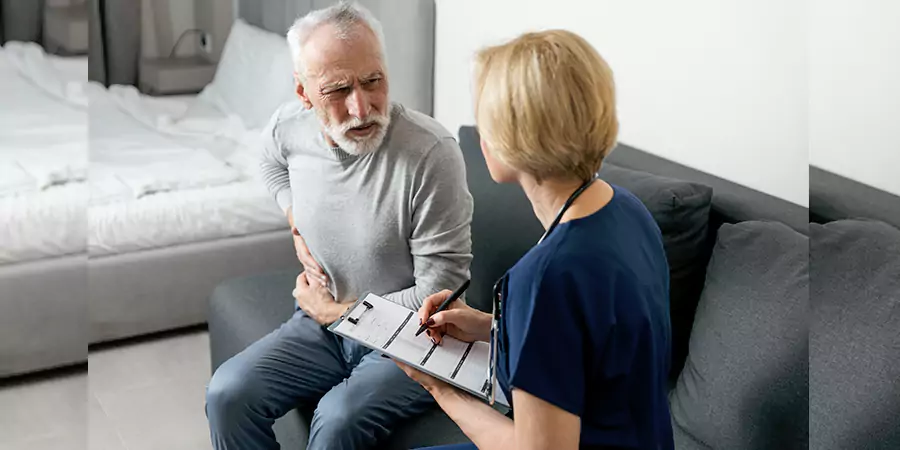
Liver disease may be silent at first. Arrange a check-up if you have fatty liver, diabetes, obesity, high cholesterol, hepatitis risk, heavy alcohol use or repeated abnormal blood results.
Seek medical advice if you notice:
- Yellow eyes or skin
- Dark urine or very pale stools
- Swelling in the abdomen or legs
- Ongoing nausea or poor appetite
- Unusual tiredness
- Pain in the upper right abdomen
- Easy bruising or bleeding
Confusion, vomiting blood, fainting or severe weakness needs urgent care.
Frequently Asked Questions About Liver Health
What is the best way to improve liver health?
Focus on steady habits. Maintain a suitable weight, exercise regularly, eat balanced meals, reduce sugary drinks, limit alcohol and use medicines safely.
The right plan depends on your test results and any existing condition.
Can fatty liver improve with lifestyle changes?
Lifestyle changes may reduce liver fat for many people. Gradual weight loss, regular movement and better blood sugar control can help.
Continue medical follow-up because fatty liver may progress without obvious symptoms.
Which foods are bad for the liver?
Frequent sugary drinks, fried foods, processed meats and heavily processed snacks can work against liver health.
Your overall eating pattern and portion sizes matter more than one occasional food.
Do liver detox drinks work?
No drink has been proven to clean the liver or reverse damage within days.
Choose water or unsweetened drinks. Seek medical advice if your test results are abnormal or symptoms continue.
How do I know if my liver is healthy?
Early liver problems may cause no symptoms. A doctor may assess your risk factors and recommend blood tests or an ultrasound when needed.
Seek advice if you notice yellow eyes or skin, dark urine, swelling, unusual tiredness or persistent upper-right abdominal pain.
Conclusion
Better liver health comes from steady habits, not quick cleanses. Eat balanced meals, move regularly, reduce sugary drinks, manage weight and use alcohol, medicines and supplements carefully.
Do not ignore abnormal liver results because you feel well. For personalised support alongside medical care, consult a qualified practitioner through a Hamdard Wellness Centre near you.
Medical disclaimer: This article is for general educational purposes only. It does not replace professional medical advice, diagnosis or treatment.